
 Access
 Login/Register
 Supplier Login












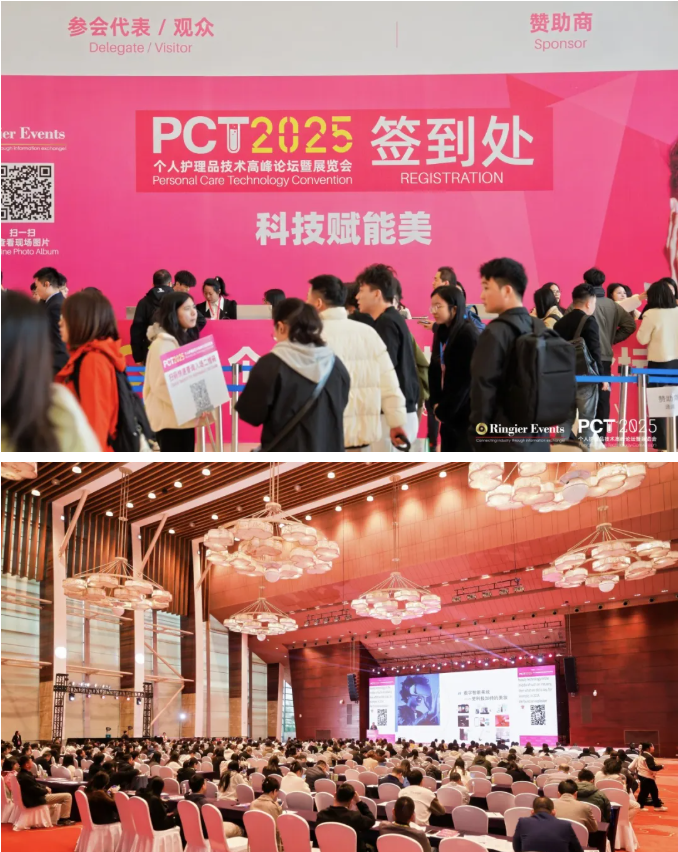
As the Chinese cosmetics industry navigates a year of robust recovery and structural transformation, the Personal Care Technology Convention (PCT) 2025 Guangzhou, held from November 19-20, served as a critical barometer for the sector's future.
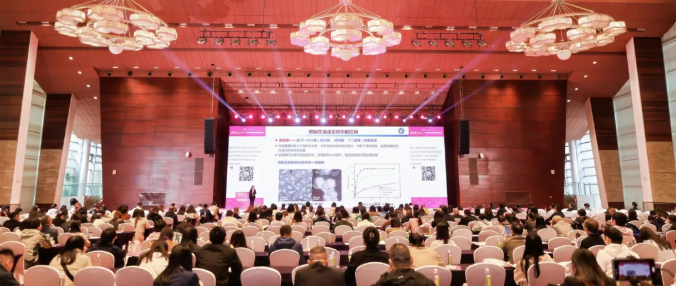
The event, themed "Technology Empowers Beauty," spanned 7,000 square meters of exhibition space and featured 10+ technical forums addressing everything from microbiome modulation to AI-powered skin analysis—a reflection of an industry moving decisively from ingredient storytelling to mechanism validation.
The timing matters. October cosmetics retail climbed 9.6% year-over-year, China's strongest 2024 growth, while new regulations tightened safety requirements. August brought mandatory safety assessments and risk monitoring protocols. The gap between regulatory expectations and market opportunity is forcing Chinese brands to build actual R&D capabilities, not just source trending actives.
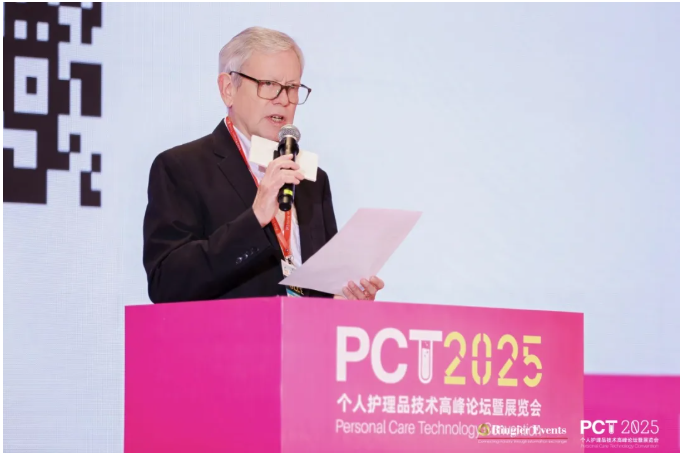
Michael R. Hay, Founder and Managing Director of Ringier Trade Media, opened the conference by noting how consumer literacy has fundamentally altered industry dynamics. "Whether it's skin microbiome, skin longevity, or precision anti-aging, mechanism and evidence have become the currency of trust," he observed. Whitening formulations have evolved from single-pathway inhibition to multi-target strategies; anti-aging science now demands stable delivery systems and validated antioxidant frameworks—developments unimaginable a decade ago.
Plenary: Where Formulation Gets Real
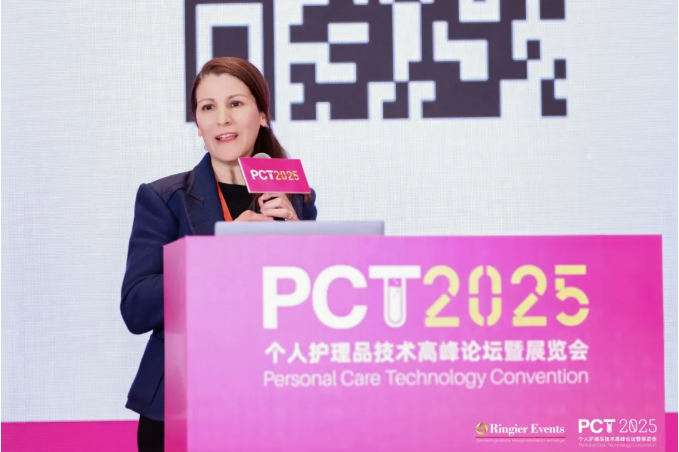
LVMH's Naima Chentoufi, who runs the group's AIC LAB, laid out a problem luxury brands face: consumers want both clinical results and sensorial luxury. Her team's solution combines three technologies. Their dual-layer pearl pigments fix the gray cast problem that plagues traditional pearlescents on deeper skin tones—refractive engineering, not just color selection. A dual-vector delivery system moves actives 33% deeper into skin. Polymer blends provide lift without the tightness most formulators accept as inevitable.
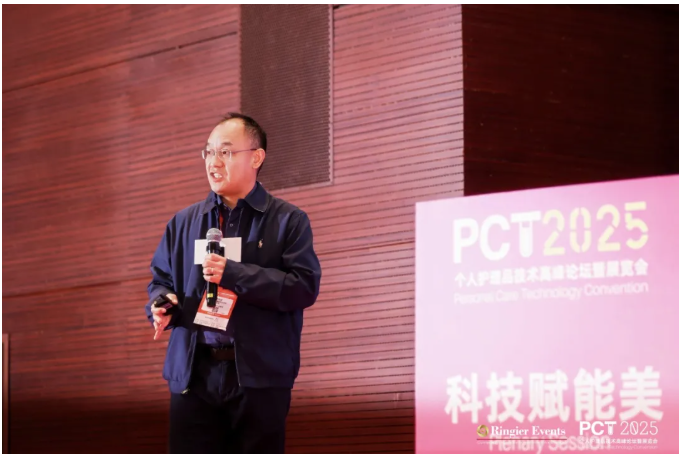
Professor Su Xianbin from Nanjing Xianda Pharmaceutical brought data on cyclic peptides, currently experiencing explosive growth—sales jumped from RMB 48,000 to RMB 408 million between 2022-2024, an 8,465x increase. The cyclic structure solves peptides' stability problem by hiding the vulnerable amino and carboxyl termini. His team's Pseudostellaria cyclic peptide pushed Collagen I expression up 80.56% with no irritation at 1% concentration. Their continuous-flow synthesis cuts raw materials by 60% and solvents by 90%—addressing both efficacy and manufacturing economics.
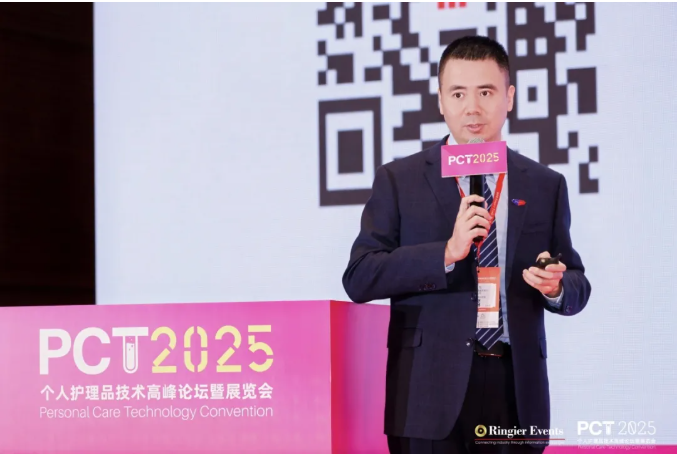
David Zhou from Shanxi Jinbo Bio-Pharmaceutical discussed collagen type synergy, a more sophisticated approach than generic "collagen" claims. Anti-aging efficacy filings grew 70% annually from 2022-2024, with 95% focusing on anti-wrinkle and firming—categories where collagen type matters. Type I provides structural rigidity, Type III delivers elasticity. Jinbo's Dual Collagen Peptide combines both with hexapeptides. A 28-day trial with 30 volunteers showed improvement in both dynamic and static wrinkles.
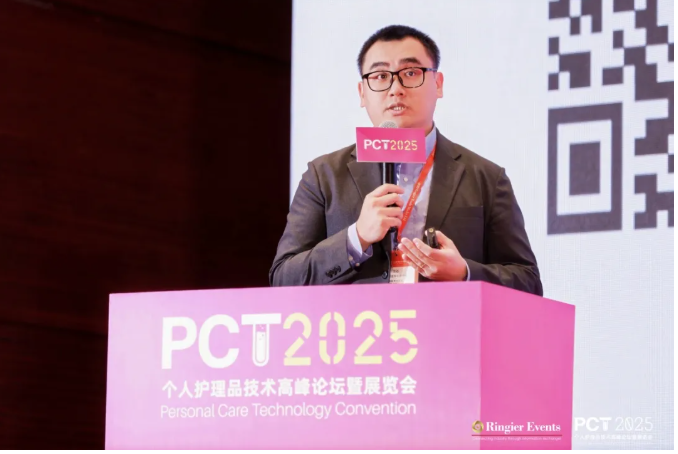
L'Oréal's Dr. Ye Chengda demonstrated K-SCAN, their AI diagnostic system trained on 4,060 images from 234 subjects across three continents. It quantifies dandruff grade, sebum distribution, and root condition—replacing the variability of human assessment. On the formulation side, they're running micro-batch production: ingredient weighing, 1,200 RPM centrifugation, personalized labeling. Personalization is moving from marketing language to manufacturing capability.
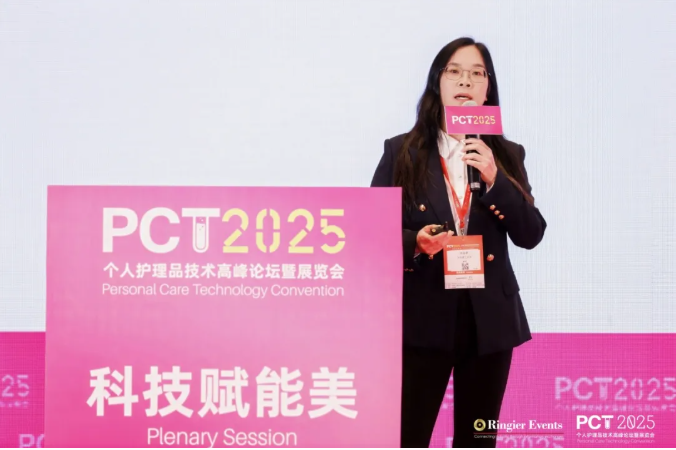
Professor Shang Yazhuo from East China University of Science and Technology noted phospholipids appear in just 7.5% of products despite proven benefits—a formulation challenge, not an efficacy issue. Her self-supporting liquid crystal barrier emulsification system (SSLCB-ES) eliminates chemical thickeners entirely, hitting 90% of petrolatum's occlusive performance while staying stable at 48°C for six months. Her phospholipid hybrid carriers merge liposomes and exosomes into multi-chamber structures with higher loading capacity.
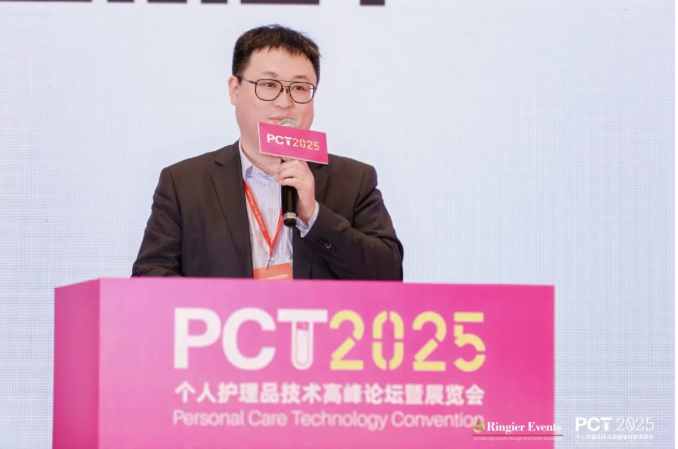
Su Ning from the Chinese Academy of Quality and Inspection & Testing addressed what he calls the "data paradox": anti-wrinkle projects routinely generate 50-60 parameters without building coherent evidence. His evidence-weight model stacks human efficacy data, in vitro results, user reviews, RCTs, and real-world studies into hierarchical frameworks. Mining 2,576 e-commerce reviews revealed seven consistent dimensions that matched clinical endpoints—turning consumer feedback into validation rather than just marketing material.
Formula Competition: System Capability Matters Now
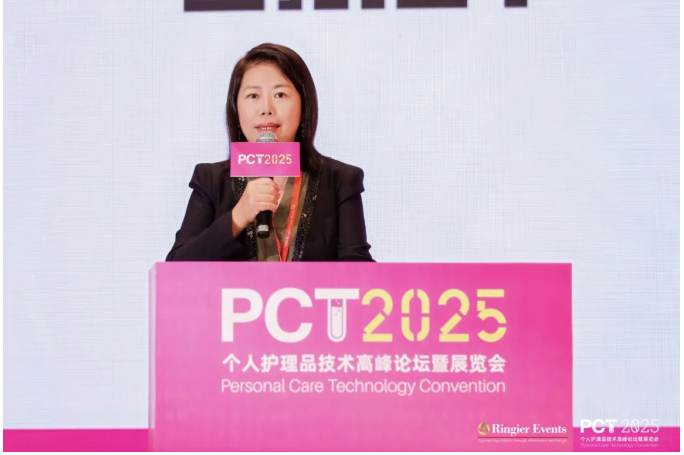
Ringier Trade Media President Maggie Liu presented the second annual Ringier Formulation Master Awards, which drew 83 submissions—up 30% from 2023. Six raw material suppliers provided ten ingredients for open experimentation. The evaluation combined expert panels from Shiseido, LVMH, Beiersdorf, SGS, and Mintel (nearly 20,000 professional assessments) with consumer testing from PCT Shanghai (2,152 scores). Sixteen formulations won awards across five tiers.
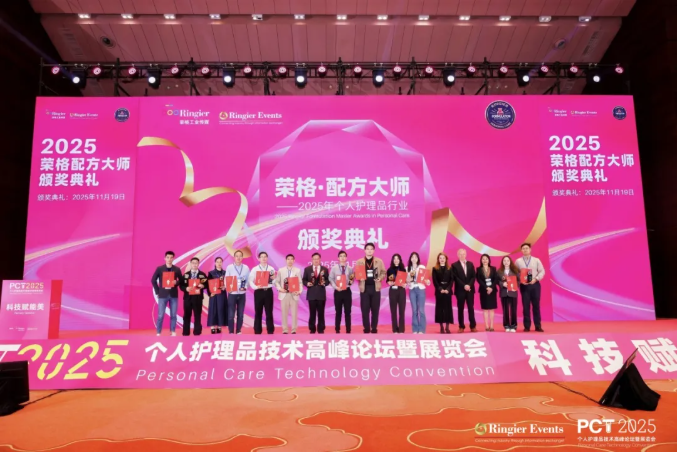
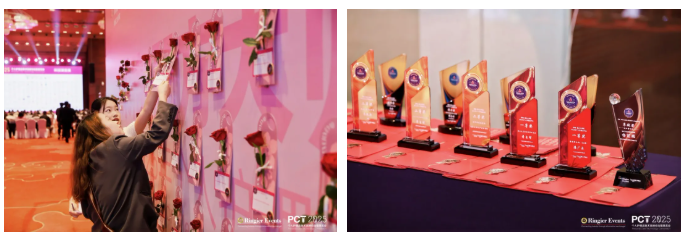
Liu noted Chinese formulators are moving beyond trending actives toward texture engineering—ice cream breaks, water-release structures, air-light finishes—and advanced delivery like retinal stabilization and ergothioneine layering. The simultaneous 2026 launch of both Ringier Technology Innovation Awards and Ringier Formula Master Awards signals the industry recognizes it needs strength in both upstream R&D and downstream formulation.
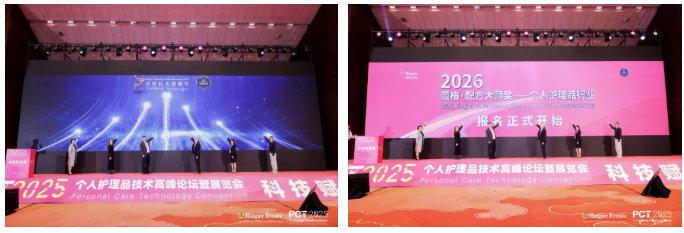
Emotion Science: Quantifying the Unquantifiable
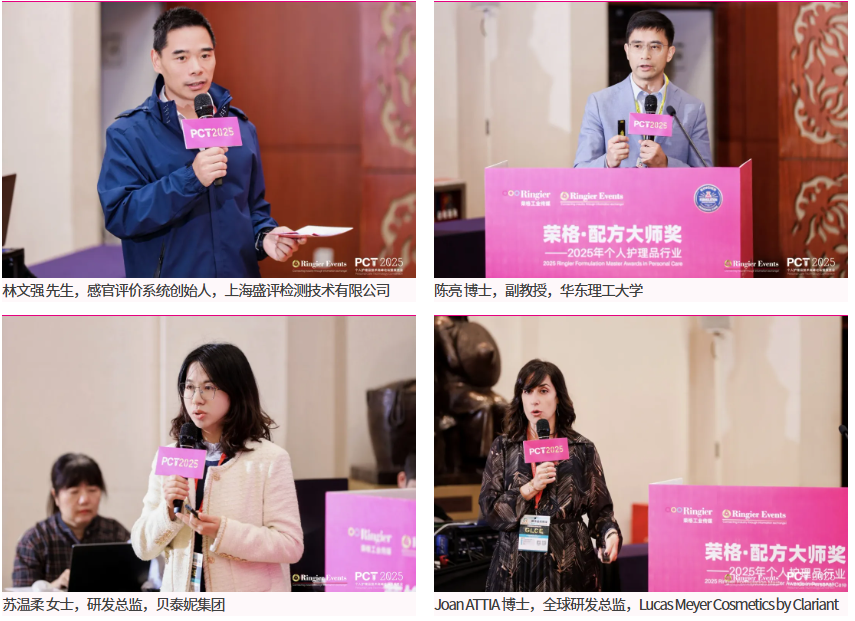
Lin Wenqiang from Shanghai Shengping Testing moderated a forum that tackled beauty's next frontier: emotional efficacy. Dr. Chen Liang from East China University of Science and Technology showed how neuroscience tools—EEG, skin conductance—are making "soothing" and "pleasant" measurable rather than subjective. His team quantifies emotional uplift curves in real-time during fragrance exposure.
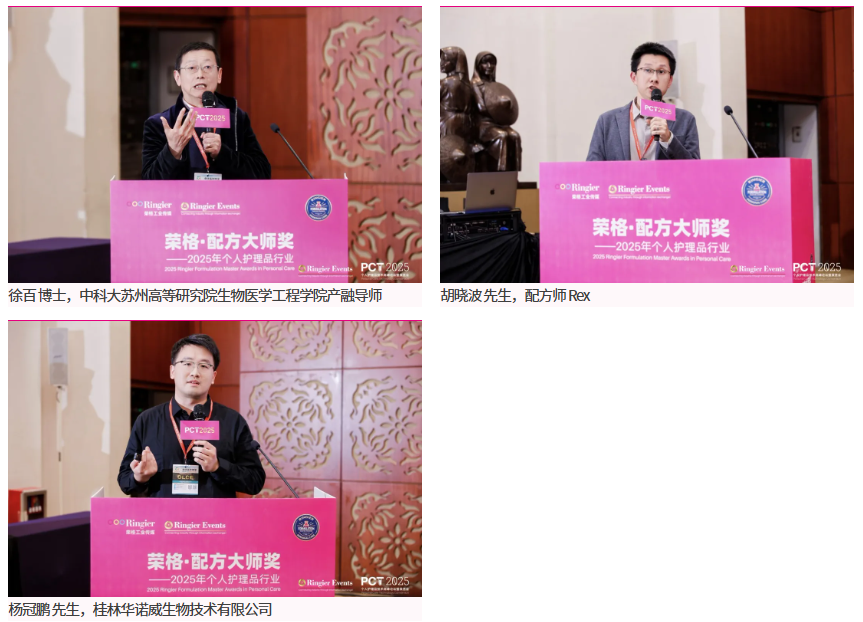
Ms. Su Wenrou from Botanee Group applied Raman spectroscopy to penetration studies, while Dr. Joan Attia from Lucas Meyer Cosmetics by Clariant presented neurocosmetics research linking formulation to neurological response. Dr. Xu Bai, representing the 2025 Ringier Formulation Master Awards judging panel and serving as industry-academic integration mentor at University of Science and Technology of China Suzhou Institute's Biomedical Engineering School, delivered remarks providing professional perspective on emotion science's academic trajectory. His commentary bridged the gap between sensory testing methodologies and neuroscience validation frameworks, offering judges' insights on how emotional efficacy claims must meet the same evidentiary standards as functional benefits. Formulator Rex Hu Xiaobo walked through PDRN applications, and the outstanding winner from this year's Formula Master Awards, Yang Guanpeng from Guilin Huanover Biotech, shared his award-winning formulation approach.
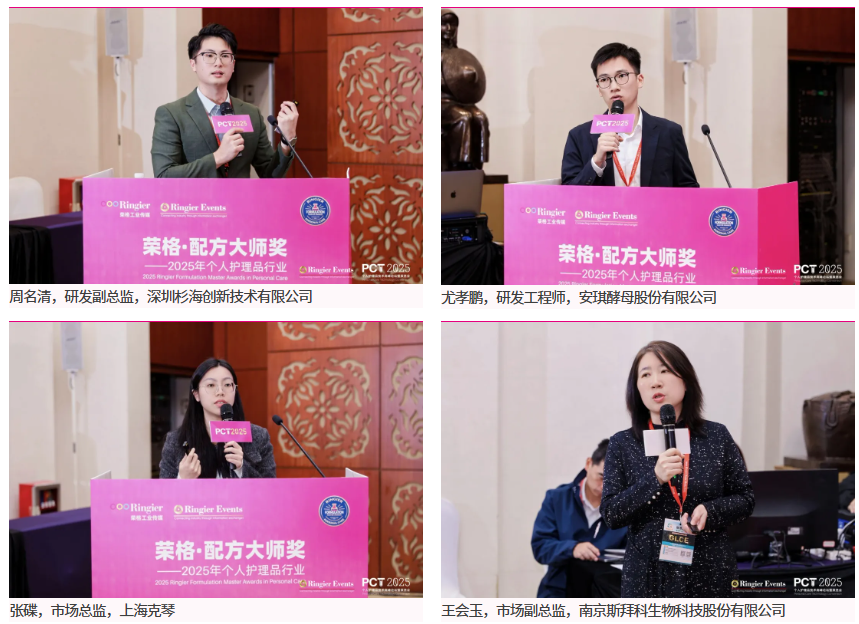
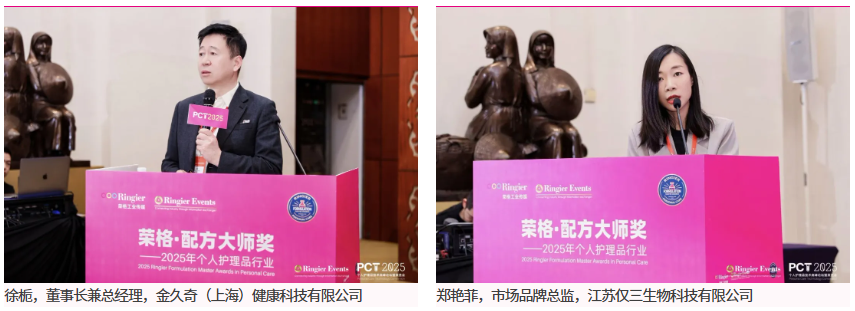
Six ingredient suppliers—Sunhigh Innovation, Spec-Chem, Sansheng Bio, Angel Yeast, Jyouki, CoachChem—provided technical deep-dives on their materials. The session's takeaway: emotion science is creating a second efficacy dimension alongside clinical performance. Brands that can validate both will command premium positioning.
Sensitive Skin: From Ingredients to Systems
China's self-reported sensitive skin population hovers around 40%, with the sensitive anti-aging subcategory growing nearly 30% annually. The repair forum, moderated by Ms. Zhou Qi from Youthretain, addressed how brands are moving beyond "gentle" claims toward barrier reconstruction systems.
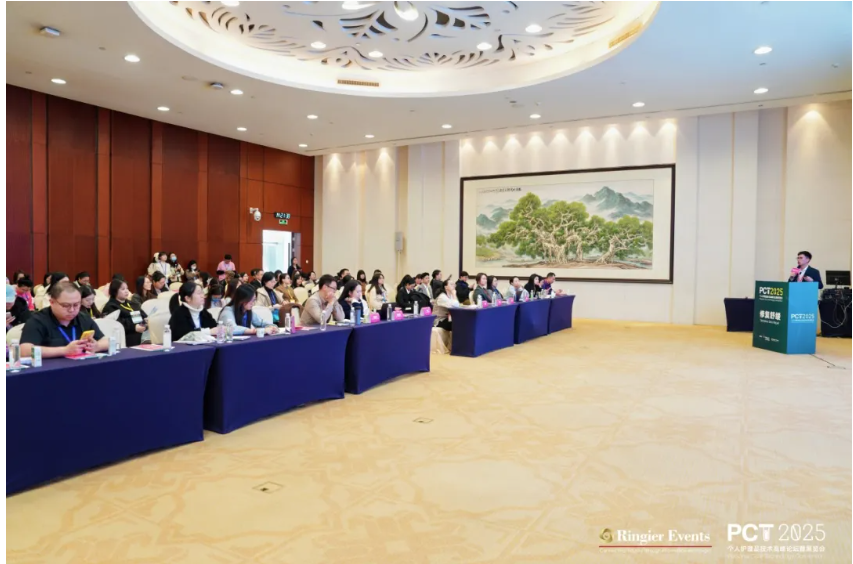
Ms. Yun Xinru from Chando Group detailed their medical device integration strategy—"full-time collagen management" combining cosmetics and Class II devices. Angel Yeast's You Xiaopeng discussed zinc's role in barrier function. David Zhu from Cargill presented Topcithin's bioactive emulsifier platform. Prof. Ding Hui from Guangzhou University of Chinese Medicine addressed formulation systems for skin health, while Dr. Shen Chunlin from Estée Lauder China tackled safety evaluation for cosmetic-device combination use.
Day 2's sensitive skin session, moderated by Prof. Man Maoqiang from Southern Medical University's Dermatology Hospital, went deeper into mechanisms. Dr. Quan Qianghua from Yunnan Baiyao traced traditional Chinese formulas into modern barrier repair. Dr. Sun Jianghong from Luoyang Lansealy made the case for premium licorice extracts. Dr. Lu Yunyu from Hautebio presented dual-core co-assembly delivery for sensitive skin. Zhou Han from Guangzhou Yuanxiang showed clinical results combining prebiotics with microneedling for acne. Dr. Gu Ming from Jiangyin Berryson introduced mussel adhesive proteins as immune barrier repair agents. Prof. Man closed with epidermal permeability barrier fundamentals.
Anti-Aging: Cell Energy to Facial Zones
The anti-aging market hit nearly RMB 300 billion in 2024, representing ~40% of efficacy skincare. Two-day coverage across moisturizing and precision anti-aging forums showed the technical ladder brands are climbing.
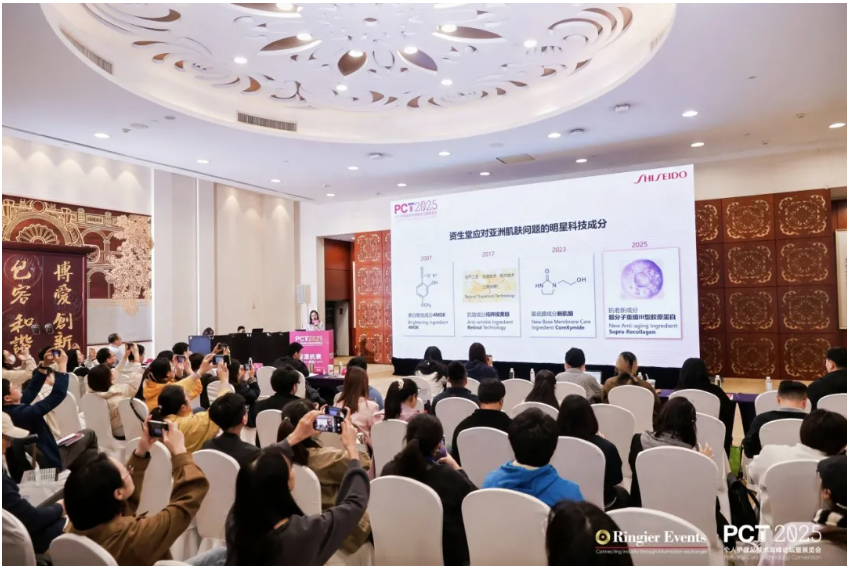
Day 1, moderated by Zhou Shiyu from Hunter Biotechnology, covered breadth. Ms. Wu Xiaoyan from Shiseido China Innovation Center introduced supramolecular hyaluronic acid collagen. Sun Chengshuo from Zhejiang Zhuji Jland Biotech presented the "collagen golden triangle"—synergistic Type I, III, and V recombinant collagens. Hart Zhao from Guangzhou Dipu positioned Acmefleur as a natural neurotransmitter blocker. Dr. Gao Ang from CoachChem discussed Anallerg-NFA, next-gen bio-acid exfoliation. Dr. Wei Jihua from Proya Cosmetics used deep learning to screen mitochondrial enhancers. Dr. Zhou Mingqing from Shenzhen Shinehigh demonstrated supramolecular adenosine technology. Ms. Ji Zhe addressed facial zone-specific aging strategies.
Day 2's afternoon session, moderated by Candy Tang from Ringier, shifted to consumer applications. Dr. Mao Jingzhuo from Olay walked through the science behind their Super Red Bottle—from insight to formulation to efficacy measurement. Zhu Hongfei from Suzhou Hengzhiqing explained how hollow nano-sheets accelerate transdermal absorption. Rico Huang from Chongqing Acelbio covered plant callus anti-aging and exosome development. Dr. Qian Zhengming discussed Cordyceps sinensis research advances. Dr. Yang Yang from Fan Wenhua studied Chinese beauty techniques combined with functional skincare for temporal aging intervention.
The precision anti-aging forum featured peptide mechanisms from Dr. Zhong Ye at Chicmax Group, omics technology application from Peng Zhangxiao at Shanghai OE Biotech, basal collagen development from Ms. Ji Baihui at Jiangsu Trautec Medical, endogenous collagen activation from Li Tao at WIS, plant-derived recombinant albumin from Ms. Wu Weiqin at Wuhan Healthgen, and end-to-end liposome collagen from Wang Hailong at Beijing Xunshi Rongchuang.
Green Beauty: Fermentation to Synthesis
The global fermented cosmetics market is tracking toward $10 billion in 2025 at 15.8% CAGR. China's H1 2024 new ingredient filings showed bio-fermentation and plant renewables exceeding 60% of the total. The green beauty forum, moderated by Shirley Zhang from Ringier, demonstrated this isn't branding—it's process engineering.
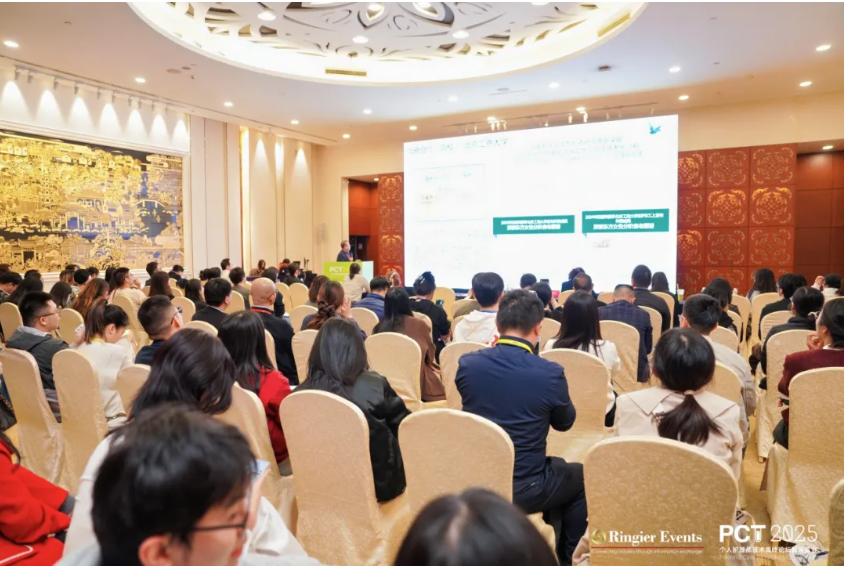
Prof. Chen Zhen from Tsinghua University (advisor to Amorepacific Research Institute China) showed green tea fermentation combined with ectoin. Dr. Shen Yajing from Shengnuo Peptide R&D Center discussed breaking molecular structure limits in cyclic peptides. Dr. Yang Jianhua from YSBiotech covered synthetic biology reconstructing cosmetic ingredients. Dr. Li Zhengqun from COSMAX China outlined biosynthesis applications and prospects. Ms. Li Ting from Shandong Freda presented the Alva 287 barrier repair technology platform. Dr. Lu Wangwang from Yatsen Holding shared Dr. Wu's next-generation resurfacing technology development.
Mr. Yan Erping from Kangaroo Mommy discussed microbiome skincare evolution. Ms. Li Mengru from Inolex presented natural antimicrobial systems. Dr. Xin Liang from Jipure introduced natural multi-functional botanical surfactants. Amanda Lu from HiSmart Biotech outlined sustainable green manufacturing solutions. Mr. Jiang Ligang from Pechoin explained technology in their 2025 product line. Dr. Lisa Wu from Evonik addressed sustainability-performance fusion in ingredient evolution.
Sun Protection Meets Skin Tone Management
China's sunscreen market is forecast to grow 9.6% CAGR through 2027, while whitening/brightening maintains 12-13% annual growth. The forums merged these categories into comprehensive photoprotection and complexion management.
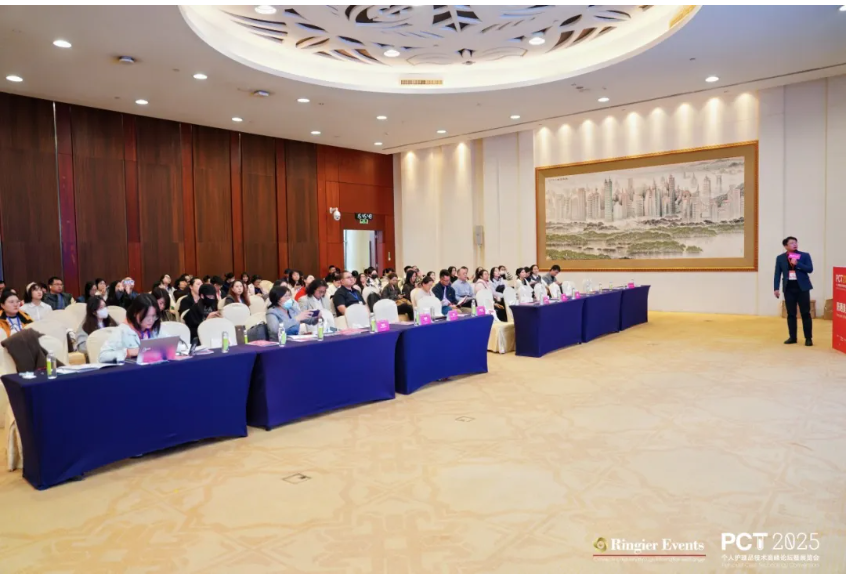
Vasilisa Marie Trotsenko from Beiersdorf Shanghai Innovation Center explained Thiamidol 630's mechanism in decoding pigmentation—human tyrosinase's critical role. Dr. Yuan Huanxiang from Beijing Technology and Business University presented ANSWER Luo Shenzhu, breaking through traditional colorant safety issues. Claire Cai from AEGIS Technology discussed SPF boosters' critical role in modern formulations. Jay Lin from Just-Active covered plant callus engineering for pomegranate ellagic acid biosynthesis. Dr. Mu Feng from NIS-LAB addressed nighttime skin care based on chronobiology research. Dr. Kim Jing from SETHIC introduced ILLUMETA super-metabiotics for whitening. Ms. Huang Biying from OSM Group analyzed traditional whitening limitations and future technology.
Day 2 coverage included Ms. Yao Xueqiu from Estée Lauder on whitening ingredient efficacy, Ms. Zhang Die from CoachChem on Qingzhao & Mulan's cosmeceutical-food synergy, Fiona Cai from Wacker on their BELSIL WO 5001 emulsifier for fresh sunscreen formulations, Marco Ding from Simpcare on sensitive skin whitening solutions for Asian consumers, Zhang Xiangyang from Guangzhou Qiyuan on silk powder in children's sunscreen, and Ms. Zheng Liqiong from Guangzhou Huanya on SKYNFUTURE's evolution beyond 377.
Hair & Scalp: The New Skincare Frontier
"Scalp is facial extension" has moved from marketing copy to R&D priority. The personal care forum, moderated by Zheng Jiamin (co-founder of a first-batch Xiaohongshu MCN), covered the technical shift.
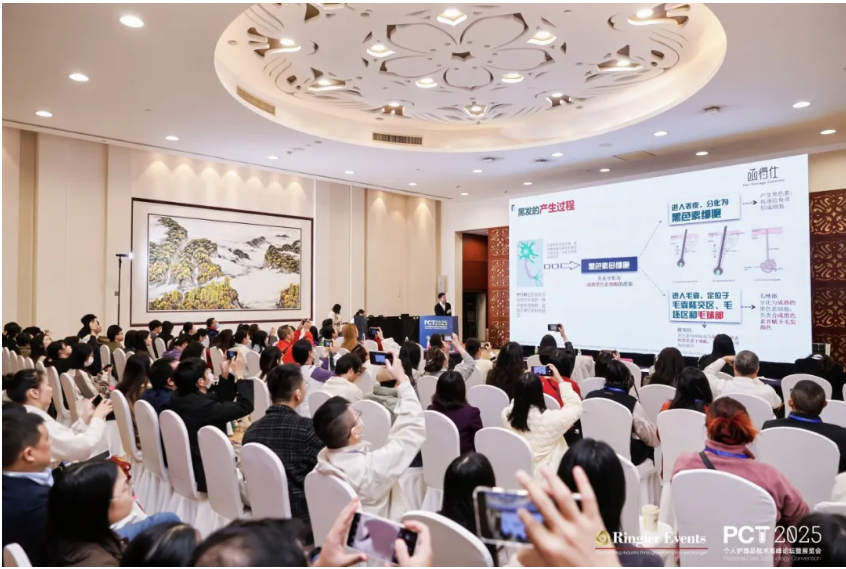
Chen Zhangyuan from Juzi Biotech discussed recombinant collagen in hair follicles. Alice Wang from Spec-Chem addressed scalp health and anti-hair loss. Zhang Yixin from Suzhou Nanohealth covered carrier technology applications in scalp care. Dr. Mao Taoyan from Guangzhou University and Li Maorui from Guangzhou H&G presented silicone/ester-based/polyquaternium systems for volumizing and color-locking. Li Beiyang from Ocean Supreme/EHD connected biotechnology with scalp science and aromatherapy. Alice Liu from BASF discussed cleansing empowerment and emulsification solutions. Chen Mo from Adolph Research showed their three-dimensional scalp soothing model with efficacy grading. Ms. Sun Tingli from Guangdong Academy of Sciences presented scalp microbiome product evaluation cases.
AI & Digitalization: Data as New Ingredient
Forecasts suggest over half of leading brands will deploy AI-driven personalization within 3-5 years, with AR try-on and AI skin analysis penetration rising steadily. The forum, moderated by John Xie from Ringier, showed AI moving from enhancement to infrastructure.
Dr. Pan Zhi, Global Chief Scientist at Guangzhou Huanya, presented multi-dimensional digital skin tone evaluation quantifying Chinese consumers' ideal complexion preferences—moving beyond simple "whiteness" metrics. Yu Bojie from Guangzhou HoneycombConnect demonstrated their next-generation PLM system for product lifecycle management. Ms. Yu Liping from Ashland China introduced vital et sp biofunctional, a water-soluble vitamin E complex positioned as AI-powered efficacy skincare's core engine.
Ms. Zhu Hongling from Clinmate/Botanee Group showcased AI × dermatology opening personalized skincare's new era. Luo Xiaozhou from Synceres Biosciences covered automation and data-driven natural product biosynthesis. Zheng Qiming from Clinmate outlined the evolution from precision detection to AI intelligent ecosystems across beauty's entire value chain.
Compliance & Medical Aesthetics: Innovation Within Guardrails
The compliance forum, moderated by Shirley Zhang, addressed how stricter regulation paradoxically accelerates innovation by raising technical barriers. Mr. Xiao Shuxiong, former Guangdong Provincial Drug Inspection Institute lab director, analyzed recent regulatory dynamics. Ms. Luo Lingli from Kimberly-Clark China detailed children's cosmetics safety compliance as the critical defense line. Ms. Wu Rong from Guangdong Institute of Biological Products and Drugs discussed stability and packaging compatibility testing strategies. Mr. Xu Zebing from Guangdong Cosmetics Quality Management Association covered manufacturing quality improvement.
The medical aesthetics session, moderated by formulator Rex, featured Dr. Li Hongqiang from FEIMAN Pharmaceutical on active collagen clinical applications, Dr. Pu Jiahua from Shenzhen PAM2L on Colamin as the world's first mitochondrial anti-aging longevity molecule, and Dr. Wang Biwei from Innoaesthetics Laboratory on INNO Smart Peel defining precision resurfacing—how complex acid formulations enable targeted exfoliation by skin type and concern.
Innovation Forums: Trends, Tech, Marketing, Home Care
The multi-track innovation forums covered market intelligence and commercial applications. Han Zhengyu from Mintel forecasted 2026 global beauty and personal care trends. Xie Jiading from NETVOICES analyzed data-driven precision in 2025 sensitive skin care. Zhang Jingjing from Guangzhou Bochi discussed microalgae-based biomimetic vesicles for cellular communication. Liu Shengkun from Ingredi Biotech presented botanical sensitive skin repair. Jia Fenggang from Shanghai Kemaijia covered plant-derived preservatives. Ms. Ma Haihong from Phyts France addressed natural organic skincare philosophy.
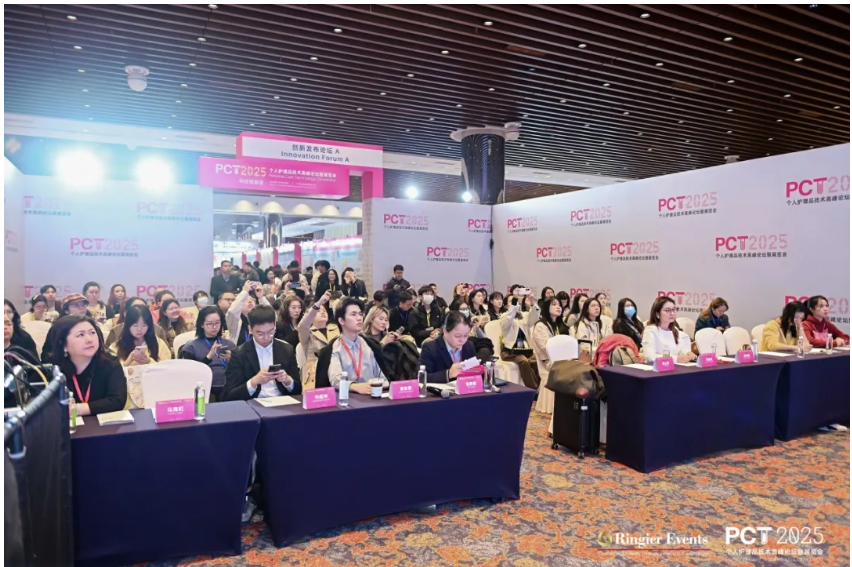
The technology forum featured Zhong Xiaoyu from CTI on new ingredient registration compliance, Dr. Xiang Qi from JNU Beauty & Life Science on fibronectin as EGF's successor, Gao Feng from Jyouki on hydrogenated lecithin driving emulsion innovation, Dr. Li Yutang from Shenzhen JYMed on endogenous neuropeptides for sensitive skin, and Deng Jiachuan from Zhuangsu Digital on AI empowering industry development.
Marketing and going global topics included Zhang Qiaohong from Jomoo Group decoding next-phase growth drivers, Yuan Minjia from Shanghai Jinjia on integrating scientific communication with R&D, Dr. Zhang Yongzhi from Synlotic Biotech on liposome applications, Dr. William Chen from Sansheng BioHealth on green biotechnology development of recombinant proteins, Zhang Yunlong from Xiaoe-Tech on private domain innovation, and Zhou Jing from TMO Group analyzing Southeast Asian beauty trends through e-commerce data.
Home care and personal cleaning, moderated by Shi Rongying from Shanghai Hutchison Whitecat, covered market overview and trends, Dr. Dong Yuancai from Wilmar on WILSILK silicone-free innovation, Dr. Cai Xiang from Guangdong Siwuasa on Home Refresh 4.0 emotional value, Zhang Shilin from Hechuang on new dosage forms, Qiang Pengtao from SukGarden on detergent regulations, Shi Changsong from BERISON on shower formulation science for dry skin, Chen Guojing from Guangzhou Reachin on hair care experience evolution, Wilson Liao from Janko on premium positioning strategies, and Ms. Sun Tingli from Guangdong Academy of Sciences on scalp microbiome efficacy evaluation.
Specialty Forums: Deep Expertise
Sun Yat-sen University Cosmetics Yixian Alumni Association hosted a forum on enterprises' second growth curve. Prof. Liu Zhong from Jinan University positioned technology as the driving force, He Guoshan from Guangzhou Quality Supervision and Inspection Institute framed standards as growth power under high-quality regulation, and Liu Shan from Yalan International discussed value co-creation activating beauty manufacturing's next phase. A panel with industry leaders explored resilient growth strategies.
The Traditional Chinese Medicine crossover forum, moderated by Liang Wenfa from Guangzhou Yiwan Biotech, addressed pharmaceutical-cosmetic convergence. Song Xigui from Jinan TCM Skills Appraisal Institute covered authentication as the first safety defense. Yang Chunguo, Chief Quality Officer at Shandong Yifang (guest professor at Shandong University of TCM), discussed building quality foundations. A live connection to Shandong Yifang's cultivation base provided source transparency. Dr. Qi Xingliang decoded efficacy formulations based on traditional Chinese medical theory. Prof. Cheng Zhiwei from Beijing Technology and Business University presented plant cell factories and biosynthesis possibilities. Dr. Liu Lei, also from Beijing Tech, addressed efficacy verification for plant cell-derived ingredients.
Jiangnan University Alumni Association's forum, moderated by Xiao Shuxiong, featured Prof. Yang Cheng on cosmetic encapsulation technology core systems and breakthroughs, Lingqiao Lu from Cathaya Group on fibroin innovation, Dan Weihua from Fanlin Chemical on natural bioactive collagen, Tony Chen from Guangzhou Haishi on Zhihe ceramide, Prof. Wang Jing from Jiangnan University on hair care ingredient innovation and claims, Du Yangbiao from Jiangsu Rayting on glucosyrutin as efficient photoprotection via biotransformation, and Li Lei from Guangzhou Huashi on real-world sunscreen evaluation methods.
Infinitus hosted an herbal anti-aging academic seminar moderated by Chen Jiehua. Prof. Lu Meng from Peking University showed super-resolution imaging and AI revealing cellular homeostasis imbalance mechanisms. Tai Meiling from Infinitus presented integrated Chinese-Western herbal solutions for internal-external nourishment. Prof. Shen Xiaoyan from Fudan University covered red ginseng extracts preventing UV-induced photoaging through endoplasmic reticulum stress modulation. Gu Zhenglong from Greater Bay Area Institute of Precision Medicine addressed mitochondria and aging intervention. Dr. Xiao Lei from Infinitus introduced new approaches to oral health and anti-aging.
Exhibition & Networking: 7,000 Square Meters of Active Commerce
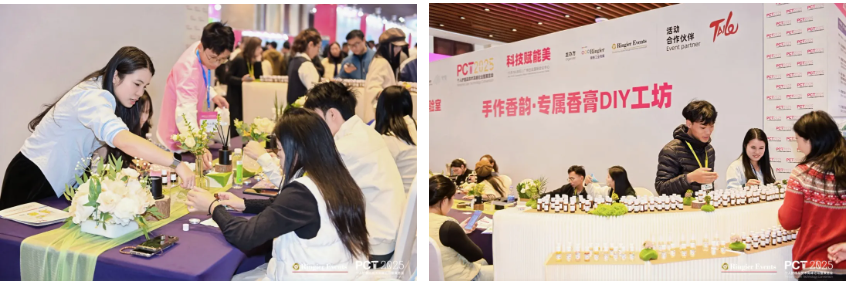
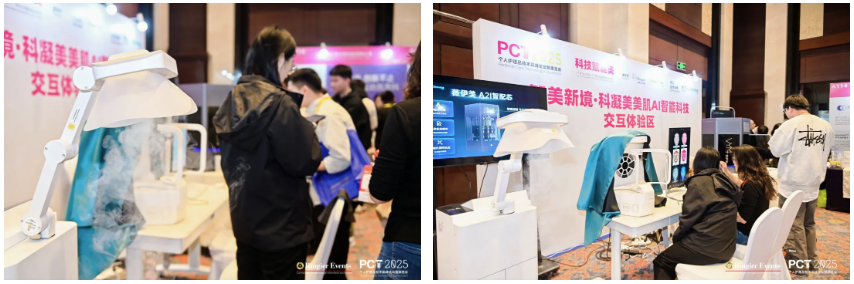
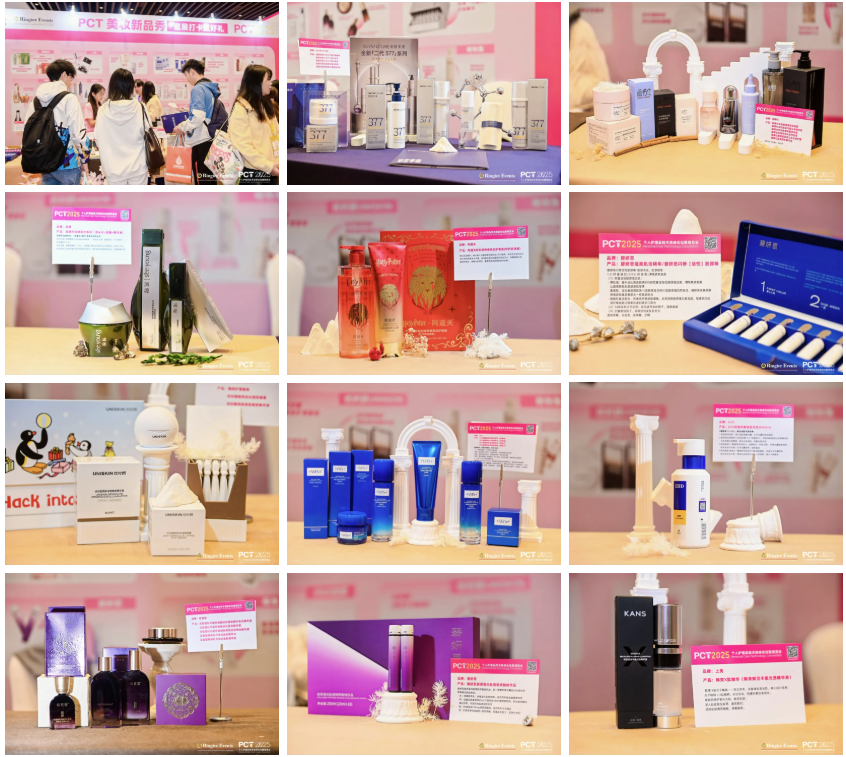
Beyond forums, the exhibition floor maintained intensity through Day 2. The Guanxi AI Fragrance-Emotion Interactive Lab by Dr. Chen Liang's team from East China University of Science and Technology completed hundreds of EEG assessments, with many R&D professionals inquiring about technical collaboration. The DIY aromatherapy balm workshop exhausted material reserves, validating emotional consumption pathways. Clinmate's AI skin analysis maintained queues, with 80-second reports becoming conversation starters in business discussions.
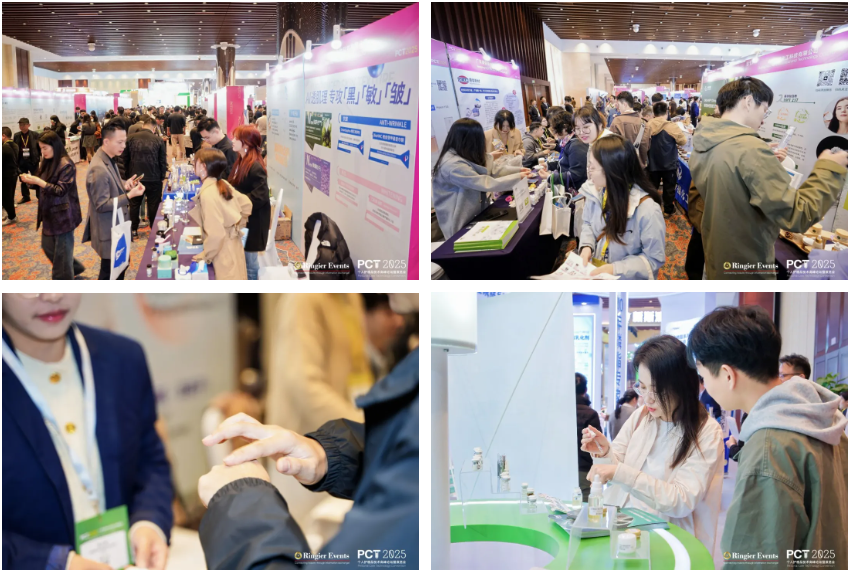
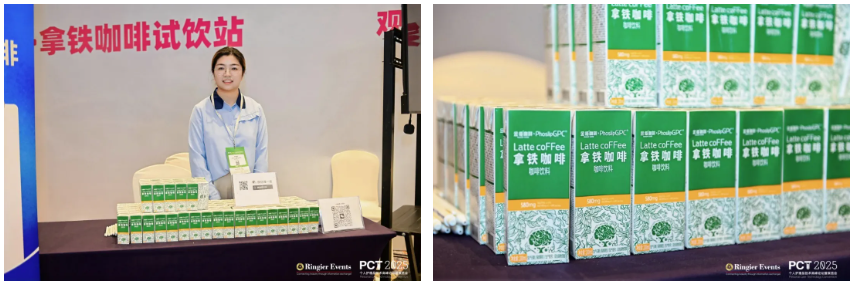
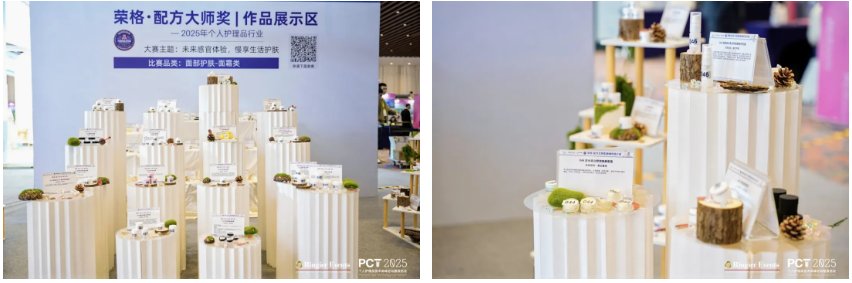
Jyouki's latte station and CoachChem Lab's three beverage points served over 1,000 coffees across two days, extending dwell time measurably. The 16 Ringier Formulation Master Award winners drew sustained professional attention, with detailed technical exchanges laying groundwork for R&D collaboration. The PCT New Product Exhibition gift redemption area's task completion exceeded expectations, with brands like Head Things, Adolph, WIS, Ziyuan completing market exposure through experience-conversion models.
Supply-demand matching salons on both days used speed networking—buyers at fixed tables, sellers rotating every 10-12 minutes. Two days completed hundreds of one-on-one and one-on-two precision matches, with some exhibitors signing follow-up negotiation agreements on-site.
What It Means
PCT 2025 Guangzhou mapped China's beauty industry technical depth across two intensive days. The 300+ speakers, 260+ exhibitors, and thousands of attendees conducted concentrated exchanges spanning macro trends to molecular mechanisms, academic research to commercial translation.
The event's value lay in revealing actual technical accumulation—every topic backed by years of R&D investment, complete datasets, and rigorous validation systems. While consumption rebounds, regulation tightens, and capital watches cautiously, the technical side accelerates. Competition has shifted from traffic acquisition to systematic capability in research, supply chain, and product strength.
Those who can explain mechanisms clearly in forums, demonstrate complete solutions on the exhibition floor, and respond quickly in business matching are redefining "strength" in China's beauty sector. PCT 2025 Guangzhou concluded, but the technical race just started.
Source: (happi China, Ringier Trade Media)
Author:John Xie