
 Access
 Login/Register
 Supplier Login












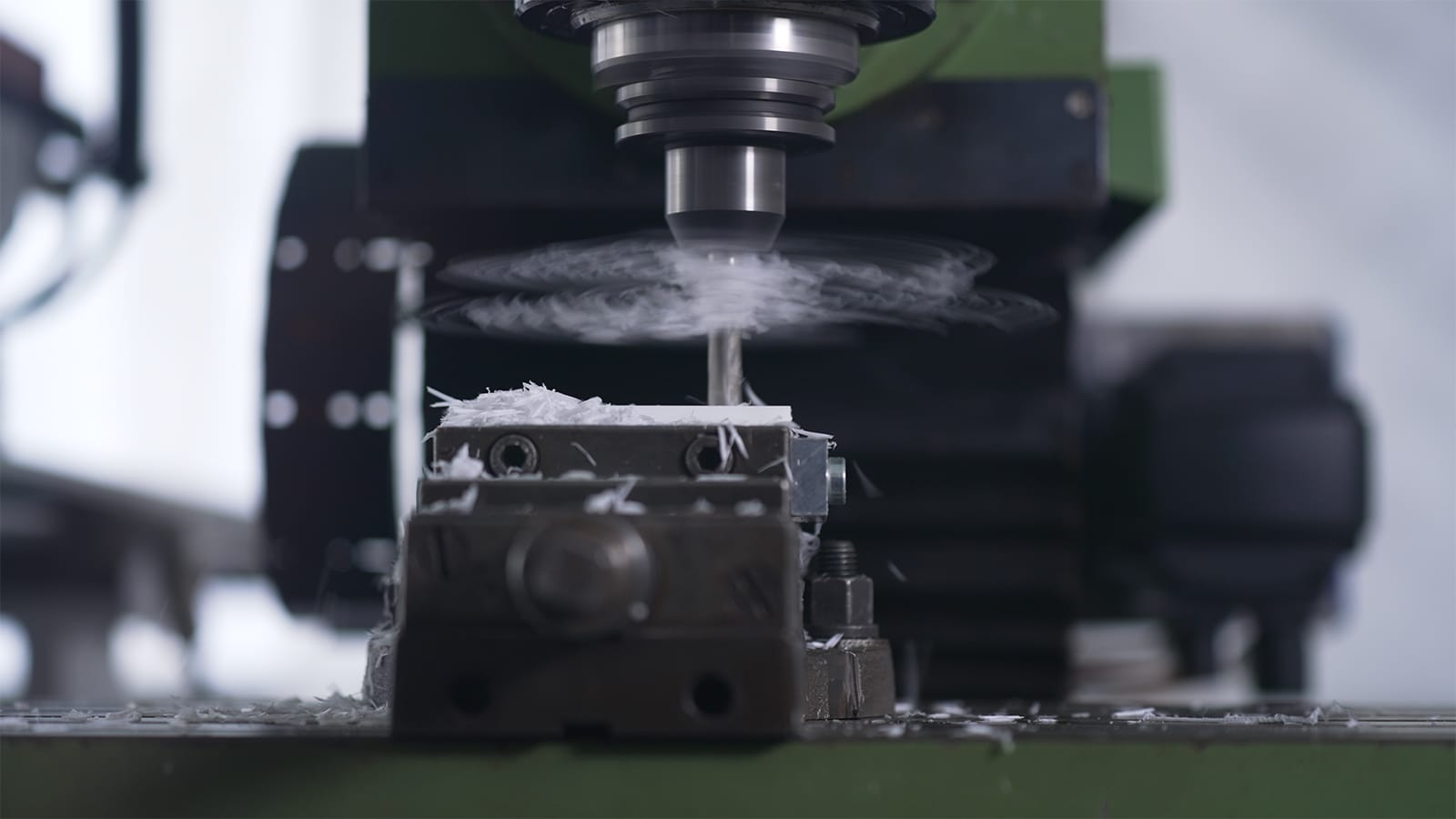
Ever wondered what happens when decades-old machinery meets cutting-edge digital intelligence? In our latest feature from HANNOVER MESSE, we take you inside a remarkable transformation story that’s redefining the future of industrial manufacturing — and not through brand-new equipment, but by revitalizing what many would consider obsolete.
Hidden among the research exhibits at the Chair of Machine Tools and Control Systems in Kaiserslautern (WSKL) stands an unassuming milling machine. At first glance, it looks like something straight out of the mid-20th century: solid cast iron, clean functional design, and a legacy rooted in manual operation. But appearances are deceiving. What once required skilled technicians to turn hand wheels and program every step by hand has now been reborn with intelligence, autonomy, and digital precision that rivals modern CNC systems.
This transformation story is not just about upgrading hardware — it’s about fundamentally rethinking how manufacturers approach legacy equipment. Instead of investing tens of thousands of euros in costly new machines with long depreciation cycles, innovators at WSKL have shown there’s another path: retrofit with intelligence. By integrating new motors, sensors, and software-based controls, even 60- or 70-year-old special-purpose machines can compete in today’s data-driven world.
Central to this revival is the concept of the digital twin — a fully virtualized counterpart of the physical machine that not only mirrors its movements and loads but also simulates production before a single chip is cut. From altering a CAD design to executing an optimized milling strategy, the digital twin handles complex calculations and collision simulations in minutes — a process that used to take days on the shop floor. This digital precognition saves manufacturers enormous amounts of time, materials, and cost, while boosting confidence in design decisions and production strategies.
What makes this story especially compelling — and why it matters to manufacturers big and small — is the practical approach to modernization. The engineers behind this project didn’t just slap add-ons on old hardware; they seamlessly integrated AI and digital workflows so that the once-manual milling machine now operates with minimal human intervention. The machine “learns” how to execute complex tasks, adjusting for precision and efficiency automatically. For companies with a fleet of legacy equipment — machines that are mechanically robust but digitally blind — this represents a breakthrough opportunity.
As industries across the world grapple with rising costs, supply chain disruption, and pressure to innovate, this case study highlights a powerful message: you don’t always have to start from scratch to stay competitive. Sometimes, all you need is the right blend of innovation and ingenuity to breathe new life into the old.
Curious to see how this transformation works in detail? Read the full article for exclusive insights, expert commentary from the researchers behind the project, and what this could mean for the future of smart manufacturing. Click through now to discover how yesterday’s machinery is helping build tomorrow’s factories.