
 Access
 Login/Register
 Supplier Login












The anticipated growing demand for post-consumer recycled (PCR) plastics is attributed to consumers’ acceptance and preference for eco-friendly products. Derived from plastic products that have been utilised by consumers, discarded and then retrieved to undergo either mechanical or chemical recycling processes, PCR plastics materials are finding their way in various applications. According to MarketsAndMarkets, the post-consumer recycled plastics market size is projected to grow from US$73.35 billion in 2024 to US$125.34 billion by 2029, at a CAGR of 11.31%.
Post-consumer recycled plastics are useful in the efforts to minimise wastage and reduce the environmental impact of plastics. They reduce reliance on virgin plastics, which are derived from fossil fuels and are resource intensive. The use of post-consumer recycled plastics instead of virgin plastics promotes the circular economy concept and helps fulfil the rising need for sustainable products. As governments throughout the world promote sustainability, PCR plastics are critical for attaining sustainable production objectives while minimising environmental impact by lowering carbon footprints and plastic waste.
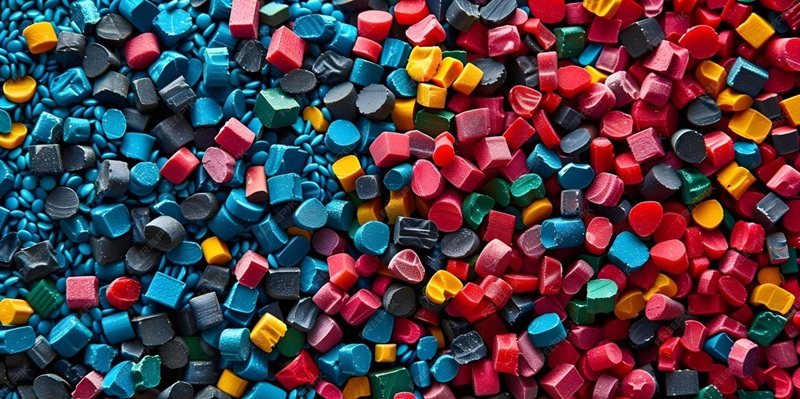
Companies from various industries are striving to achieve sustainability goals and using recycled content in their products as a marketing tool. Simultaneously, increased awareness regarding environmentally friendly products and improvements in plastic recycling technology are making recycled plastics more suitable for various applications. This momentum is supported by circular economy programs promoting resource utilisation, waste minimisation, and the advantages of saving resources, lowering carbon emissions, and tackling critical waste issues, according to the report. Industries seeking sustainable and cost-effective materials, increasing government support, and rising investments in recycling infrastructure are fueling the demand for post-consumer recycled plastics, driving the market growth.
Southeast Asia recycled materials packaging market
Recycled materials packaging refers to sustainable solutions derived from post-consumer or post-industrial waste streams, primarily comprising paper, plastics, metals, and glass. These materials undergo rigorous processing to meet packaging performance standards while reducing environmental impact. The industry plays a pivotal role in circular economy models by diverting waste from landfills and decreasing reliance on virgin materials. The Southeast Asia market is projected to grow from US$2.52 billion in 2025 to US$ 4.18 billion by 2032, exhibiting a CAGR of 7.5% during the forecast period, as per the MarketsAndMarkets report.
Market growth is propelled by increasing environmental regulations across Southeast Asian nations, particularly Extended Producer Responsibility (EPR) policies in Thailand and Indonesia. Furthermore, consumer preference for sustainable packaging has surged, with 68% of ASEAN consumers willing to pay premium prices for eco-friendly options according to recent surveys. However, infrastructure gaps in waste collection systems and inconsistent material quality remain key challenges. Major brands like Unilever and Nestlé have committed to 100% recyclable packaging by 2025, creating significant demand pull. Recent developments include Amcor's 2024 investment in advanced PET recycling facilities in Vietnam to meet growing beverage industry needs.
Market driver spur PCR demand across the region
Stringent environmental policies across Southeast Asian nations are compelling businesses to adopt recycled packaging solutions. Several countries have implemented extended producer responsibility (EPR) schemes and plastic waste reduction targets. Indonesia aims to reduce marine plastic debris by 70% by 2025 through its National Plastic Action Partnership. Thailand's roadmap for plastic waste management mandates 100% recyclable packaging by 2027. These regulatory measures are driving substantial investments in recycled packaging infrastructure across the region, with the market projected to grow at 7.8% CAGR through 2032.
Major multinational corporations operating in Southeast Asia are making ambitious sustainability pledges that directly impact packaging choices. Over 60% of FMCG companies in the region have committed to using at least 30% recycled content in their packaging by 2025. The food and beverage sector leads this transition, with many brands already achieving 50-70% recycled content in secondary packaging. This corporate push aligns with growing consumer environmental awareness, creating a positive feedback loop that accelerates market adoption.
The expansion of urban middle-class populations with greater environmental consciousness is further amplifying demand. Recycling collection infrastructure improvements across major Southeast Asian cities are enhancing the availability of quality recycled materials, making sustainable packaging solutions increasingly viable for mass-market adoption.
Limitations and challenges in PCR applications
While demand for recycled packaging grows, material quality remains a significant challenge. Recycled plastics often show reduced clarity and mechanical properties compared to virgin materials, limiting applications in premium packaging. The cycling of polymer chains during recycling can degrade material performance, with some recycled plastics losing 15-20% of tensile strength after just three processing cycles. This creates technical barriers for packaging requiring high durability or specific barrier properties.
Food contact applications face particularly stringent requirements. Many Southeast Asian countries maintain strict regulations about recycled materials in direct food packaging due to potential contamination risks. The complexity of de-inking and purifying post-consumer paper fibers similarly limits recycled paper applications in high-grade packaging. These technical constraints force manufacturers to balance sustainability goals with functional requirements.
The region's underdeveloped waste management systems also pose significant challenges for consistent recycled material supply. Informal recycling sectors handle 40% of Southeast Asia's plastic waste collection, leading to quality inconsistencies. Many countries still lack comprehensive curbside recycling programs, with collection rates for post-consumer packaging varying dramatically from 15% in Indonesia to 60% in Singapore.
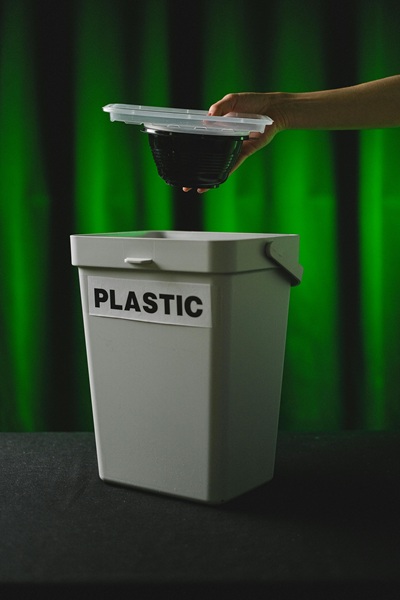
Material contamination remains pervasive, with food residues, mixed polymers, and non-recyclable components frequently entering recycling streams. This contamination drives up processing costs and reduces yields, squeezing profit margins for recycled material producers. The lack of standardized collection and sorting systems across different Southeast Asian markets further complicates supply chain logistics for packaging manufacturers.
Innovations in recycling technologies are creating new opportunities for premium applications of recycled packaging, according to the report. Advanced sorting systems using AI and robotics now achieve 95%+ purity in plastic stream separation. Chemical recycling breakthroughs allow broken polymer chains to be rebuilt to virgin-like quality, opening possibilities for food-grade recycled packaging.
The development of water-based barrier coatings enables recycled paper to replace plastic in more applications. These technological advancements, combined with growing investment in regional recycling facilities, are helping overcome traditional limitations of recycled packaging materials. The market is seeing increasing adoption of these advanced recycled solutions across pharmaceutical, cosmetic, and specialty food packaging segments.
E-commerce packaging represents another high-growth opportunity, with companies developing optimized recycled material solutions tailored for protective performance and sustainability. As online shopping continues expanding across Southeast Asia, this segment is expected to drive significant demand for innovative recycled packaging formats through 2032.