
 Access
 Login/Register
 Supplier Login












As automotive production continues to evolve toward electrification, digital manufacturing and shorter development cycles, securing a stable supply of cutting tools and raw materials has become just as important as improving machining performance. Supply chain disruptions, geopolitical uncertainty and volatile raw material markets have highlighted the need for manufacturers to strengthen sourcing strategies without compromising quality or sustainability.
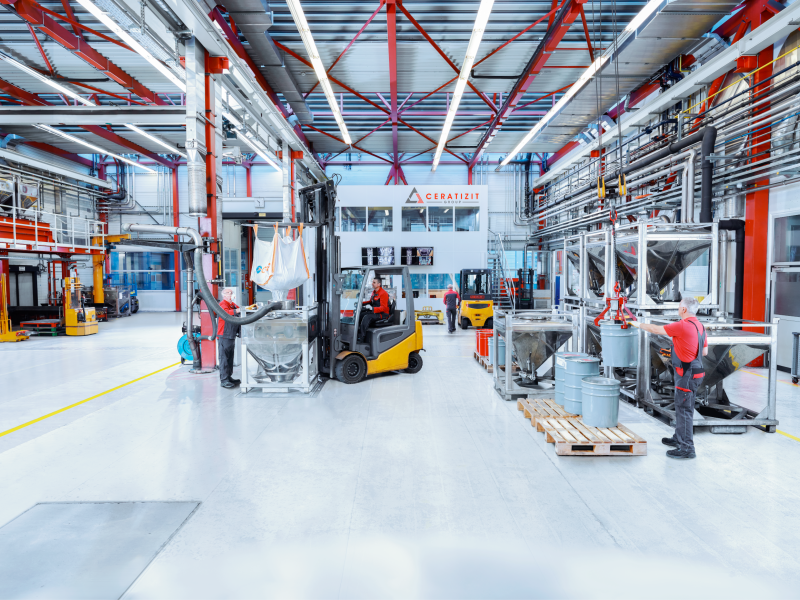
According to CERATIZIT, supply chain resilience begins with greater control over the entire production process. As part of the Plansee Group, the company operates a fully integrated value chain—from tungsten powder production to finished carbide cutting tools—reducing dependence on external suppliers and improving responsiveness to market fluctuations. This vertical integration enables more consistent quality, reliable delivery and greater production stability for manufacturers operating high-volume machining lines.
The strategy is particularly relevant for the automotive industry, where tungsten carbide tools are widely used in the machining of engine components, transmission systems, chassis parts, battery housings and electric powertrain components. Interruptions in carbide tool availability can quickly impact production schedules, making supply chain reliability a key factor in maintaining manufacturing uptime.
A major element of CERATIZIT's approach is its circular economy model. During the 2024/25 fiscal year, the company achieved a 91% tungsten recycling rate, recovering used carbide tools and tungsten scrap for reprocessing into new carbide materials. Because tungsten can be recycled repeatedly without significant loss of material properties, the approach reduces dependence on primary raw materials while lowering the environmental footprint of cutting tool production.
To further strengthen long-term supply security, CERATIZIT complements recycling with strategic investments in mining projects and long-term raw material agreements. The company also operates advanced recycling facilities through Global Tungsten & Powders (GTP) in the United States and Finland, where tungsten scrap is converted back into high-quality powder for new carbide production. Combined with Europe's largest tungsten scrap collection network through Stadler Raw Materials, the closed-loop system provides a more resilient source of critical raw materials.
Beyond material availability, automotive manufacturers are increasingly demanding greater transparency throughout their supply chains. CERATIZIT provides Product Carbon Footprints (PCF) calculated in accordance with ISO 14067 and VDMA 35111 standards, enabling customers to evaluate the environmental impact of cutting tools and support their own sustainability reporting. The company also follows Responsible Minerals Initiative (RMI)-conformant sourcing practices and maintains a Supplier Code of Conduct covering environmental, ethical and social standards.
As manufacturers continue to invest in highly automated production and digital factories, resilient supply chains are becoming an integral part of operational efficiency. For automotive machining operations, a reliable supply of carbide tooling supported by recycling, vertical integration and transparent sourcing can help minimize production risks while supporting long-term sustainability and manufacturing competitiveness.