
 Access
 Login/Register
 Supplier Login












By CHRISTIAN PHILIPPSEN, Managing Director, BENEO Asia
If 2025 taught the industry anything, it’s that Asian consumers have reset their expectations around sweetness. Reduced-sugar products are no longer seen as niche or “better-for-you” alternatives; they are rapidly becoming the default choice for everyday treats, moving from a separate “healthier choices” shelf to the more mainstream one in grocery stores. Yet, this change comes with a sharper expectation: healthier products must not feel like healthier substitutes. They must still deliver the same comfort, pleasure, and sensory cues people associate with a treat.
Manufacturers now face a clear message from the market: as the industry moves into 2026 and beyond, success will not be defined merely by how much sugar is removed, but by how faithfully brands can recreate the joy that sweetness brings.
This is where the challenge and opportunity lie. Ultimately, the differentiation will come from the ingredients that enable this — particularly those capable of mimicking sugar’s technical behaviour, not just its sweetness.
A recalibration: healthier treats becoming the default
Across the APAC region, consumers are redefining what indulgence means. Rising rates of diabetes and metabolic disease[1] have prompted many to rethink their sugar consumption, yet our desire for enjoyment hasn’t diminished. This is reflected in the numbers: the region’s reduced-sugar category now stands at US$11.6 billion and is forecasted to almost double to US$22.7 billion by 2030, fuelled by a 10% CAGR[2].
A decade ago, such growth would have seemed unlikely. Today, it is simply a response to evolving behaviour, with consumers becoming far more intentional about what they buy. Nearly half of global consumers (47%)[3] now research the health benefits of ingredients before choosing snacks, signalling a more deliberate, informed approach to everyday eating.
But this shift is not only about nutrition. It is about trust. Consumers expect “reduced sugar” to be an invisible improvement, not a compromise they can taste.
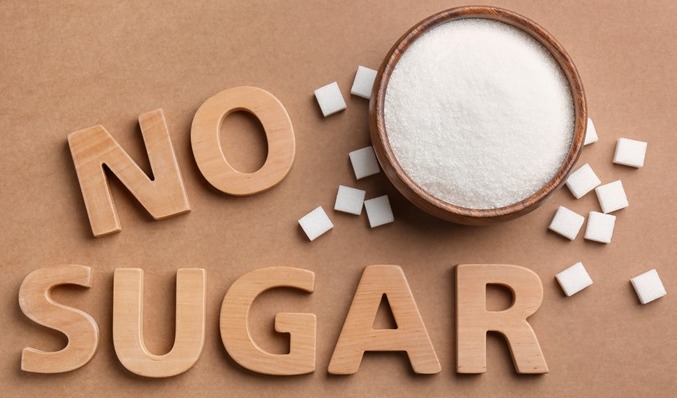
(Photo courtesy of BENEO I copyright New Africa)
When the sweetness disappears: The challenge for manufacturers
Anyone who has worked in food manufacturing or product development knows that sugar is far more than a sweetener. It provides structure, mouthfeel, gloss, colour, stability, and reliable behaviour during processing. Take it away and the entire consumer experience changes.
This is why early generations of reduced-sugar products struggled. Chocolate turned chalky. Hard candies became sticky in humid Asian climates. Gum pellets chipped during packing. Coatings lost their shine. Consumers accepted these flaws for a time because options were limited, but those days are behind us. With today’s shopper seeing that healthier versions can be indistinguishable from the original, expectations have increased and this demand is reshaping the technical landscape.
In many ways, the reformulation challenge has shifted from “cutting sugar” to “engineering delight.” Manufacturers are now redesigning recipes not just for nutritional improvement but for emotional fidelity as well — ensuring the reduced-sugar version delivers the same bite, melt, texture, aroma, and finish as the original.
The quiet enabler: How isomalt bridges health and indulgence
Meeting these heightened expectations requires more than reducing sugar; it demands ingredients that can replicate sugar’s functionality. This is where functional carbohydrates like Isomalt have become indispensable. Derived from natural sugar beet, Isomalt offers sugar-like sweetness at half the calories and delivers a very low glycaemic response, making it a strong fit for consumers seeking a more balanced diet and blood sugar management.
Its technical performance, however, is what makes Isomalt a game-changer. It closely mimics sugar in functionality, a rarity in the world of alternative carbohydrates. Using Isomalt:
- -- Chocolate retains a natural snap without the cooling effect associated with many other polyols.
- -- Ice cream can achieve a 30% sugar reduction while maintaining creamy indulgence and enabling stronger front-of-pack claims.
- -- Hard candies benefit from Isomalt’s low hygroscopicity, preventing stickiness and supporting brilliantly translucent colours.
- -- Gum and coated products see improved machinability, stronger core stability, faster coating, and significantly reduced scrappage — key advantages for Asia’s high-volume production lines.
In short: Isomalt does not just allow manufacturers to remove sugar. It allows them to preserve joy at scale, consistently, and without compromise.
In many ways, the reformulation challenge has shifted from “cutting sugar” to “engineering delight.” Manufacturers are now redesigning recipes not just for nutritional improvement but for emotional fidelity as well — ensuring the reduced-sugar version delivers the same bite, melt, texture, aroma, and finish as the original.
Where Asia’s sweetness is heading next
Asia’s new sweet reality sets a clear benchmark for 2026: If it doesn’t taste and feel like the real thing, consumers simply will not settle for it.
Looking ahead, one theme stands out: the region is not moving toward “less sweetness,” but toward smarter sweetness. Consumers expect healthier choices to be seamlessly integrated into their daily lives, not labelled as sacrifices. As awareness of metabolic health deepens, this expectation will only strengthen.
For manufacturers, this represents both a pressure and a generational opportunity. Reformulation is no longer a defensive move but a strategic advantage — one that can differentiate brands, unlock new product formats, and meet the region’s rapidly evolving definition of wellness. Those who invest in functional ingredients, prioritise sensory excellence, and approach reformulation as a creative challenge, rather than a restriction, will be best positioned to lead the next wave of innovation.
In 2026, sweetness will not simply be tasted — it will be judged on how well it aligns with a healthier, more discerning Asia. The brands that embrace this transformation early, supported by ingredients like Isomalt, will shape the region’s next chapter in indulgence.
[1] GBD 2021 Diabetes Collaborators. (2023). Global, regional, and national burden of diabetes from 1990 to 2021, with projections of prevalence to 2050: a systematic analysis for the Global Burden of Disease Study 2021. The Lancet, 402(10397). https://doi.org/10.1016/s0140-6736(23)01301-6
[2] https://www.grandviewresearch.com/horizon/outlook/reduced-sugar-food-beverages-market/asia-pacific
[3] FMCG Gurus Top Trend 7 Report 2020: Snacking Reclassified Explored