
 Access
 Login/Register
 Supplier Login












By Marijo Gonzalez, editor
In this outlook report 2026, Mettler Toledo underscores how inspection technologies are becoming fundamental to the food and beverage industry in Southeast Asia. Our interview with Tan Choon How, Head of PI Market Support Center, Asia Pacific Region, Mettler-Toledo, indicates three certainties: manufacturers must safeguard product integrity across increasingly complex supply chains, align operations with sustainability targets, and adapt to diverse regulatory frameworks across the region. Inspection systems, once viewed primarily as compliance tools, are now positioned as assets helping companies reduce food waste, optimize energy use, and strengthen consumer trust. The discussion also points to digitalization as the move forward. By integrating data capture, connectivity, and analytics, inspection platforms enable producers to anticipate risks rather than react to them.

Tan Choon How, Head of PI Market Support Center, Asia Pacific Region, Mettler-Toledo
What is your overall assessment of Southeast Asia’s food and beverage sector based on developments in 2025?
Overall, the sector is performing moderately. We continue to see healthy growth across the region, particularly in snacks and convenience products. Consumers are living busier lives, and that is reflected in what they buy. Products that are quick, portable and ready to eat are gaining real traction.
At the same time, manufacturers are managing the constant challenge of combatting rising costs while meeting greater expectations for food safety and quality. Physical contamination protection at critical control points remains a major focus, with metal detection and x-ray inspection both central to protecting brands, maintaining export standards and reassuring consumers.
How would you characterize the current demand for product inspection technologies?
Demand remains high, and for good reason. Compliance is no longer optional, it is a licence to operate. Whether we are talking about established markets such as Singapore, Thailand and Malaysia or fast-developing ones like Vietnam, Philippines or Indonesia, food safety is front and centre.
Manufacturers understand that reliable inspection is essential if they want to build trust and compete internationally. The expectation is for systems that not only meet regulations but also make day-to-day production easier and more consistent.
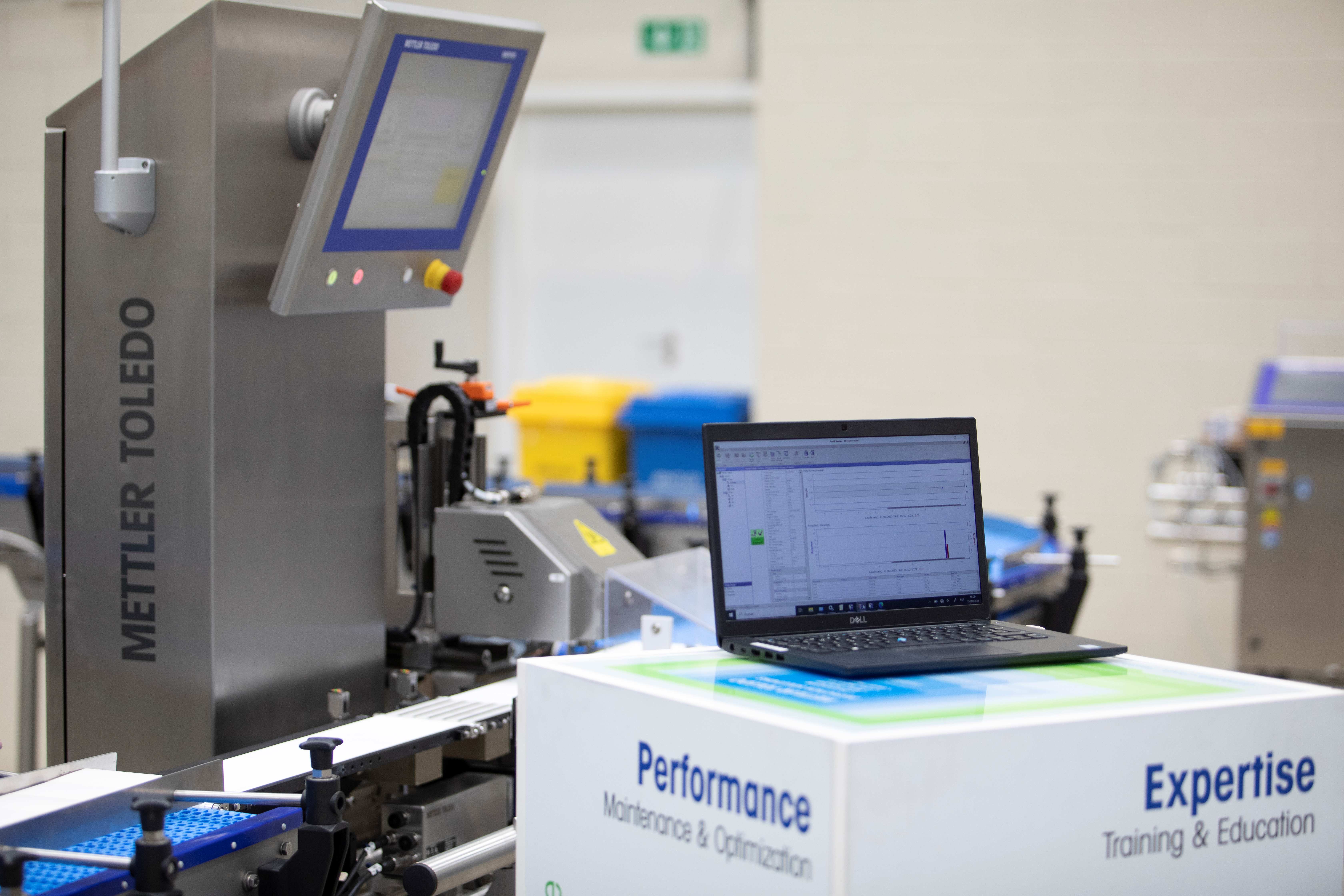
The ProdX complete inspection data management and connectivity software solution delivers full digital management of product inspection equipment for real-time monitoring and food safety compliance.
What are the key regulatory challenges manufacturers face in different parts of Southeast Asia?
Every country has its own regulatory landscape, but most are shaped by the Global Food Safety Initiative (GFSI) principles. That means a shared emphasis on identifying and controlling potential risks throughout production. What varies is the level of enforcement and local interpretation.
Our role is to help manufacturers translate those requirements into practical solutions. That might mean identifying the right product inspection technology for each critical control point, showing how checkweighers can support both quality and cost control or explaining how data management software can help facilitate compliance.
How is the company adapting its product inspection technologies to meet emerging challenges and opportunities in the region?
We are seeing a clear move toward integration and automation. Many customers are adopting combination systems that bring together checkweighing with metal detection or x-ray inspection in one compact unit. That saves space, simplifies operation and provides more value on the line.
At the same time, we are making Mettler-Toledo systems smarter and easier to use. Machine learning is being built into more of our equipment so that sensitivity and settings can be adjusted automatically for each product. It is a practical step forward that reduces operator input and keeps accuracy consistent throughout production.
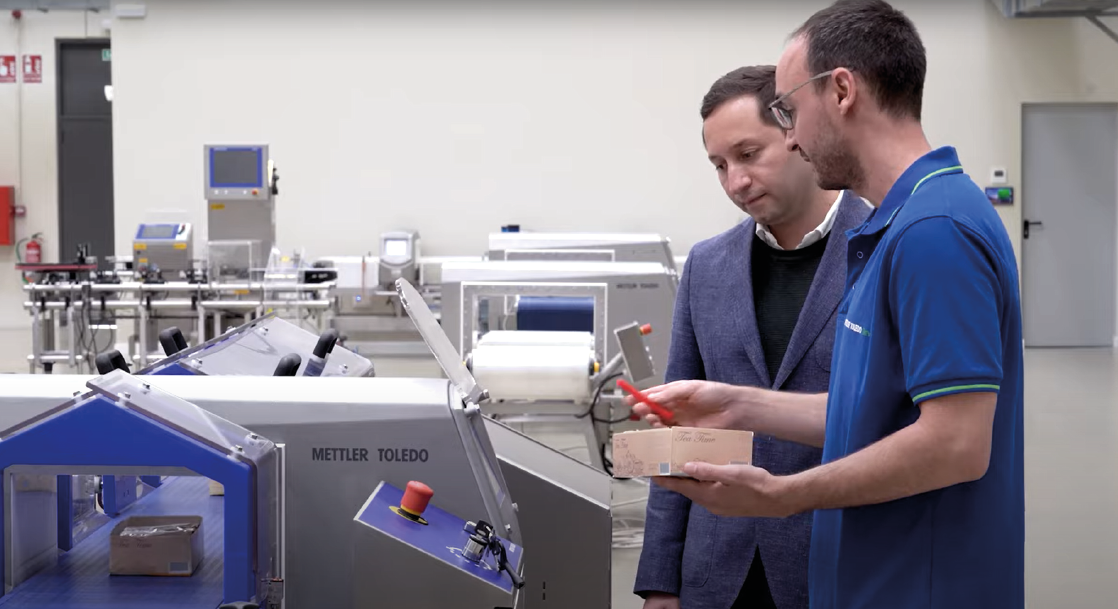
Mettler Toledo has set up support centers offer hands-on testing and “Test Before You Invest” programs.
What are the most common challenges manufacturers face when implementing product inspection systems, and how does Mettler Toledo support them through onboarding and training?
Installing a new system is just one part of the process. The bigger challenge is often understanding exactly where inspection technologies can add the most value and how to integrate it effectively. That’s why at Mettler-Toledo, we work closely with customers from the start, walking the line, testing samples and identifying the right technologies for each point in production.
Our support centers across the region offer hands-on testing and “Test Before You Invest” programs, where manufacturers can see how the equipment performs with their own products. Once systems are installed, our local service teams handle commissioning and training to help operators feel confident using the equipment day to day.
Ultimately, technology works best when people trust it. Building a strong food safety culture within manufacturing teams is just as important as having the right system on the line.
Are you seeing increased adoption of ESG-aligned inspection solutions in Southeast Asia? Please tell us more about this.
Yes, absolutely. Sustainability is becoming a real priority for producers here. Reducing waste and optimising resources are now part of most companies’ agendas. Product inspection contributes directly to that by lowering false reject rates and helping manufacturers make better use of raw materials.
As a company, Mettler-Toledo has also made progress in this area. We have been certified carbon neutral for five consecutive years and continue to reduce our own carbon footprint while supporting our customers’ environmental goals. It is an area that’s evolving quickly, and the momentum is only increasing.