
 Access
 Login/Register
 Supplier Login












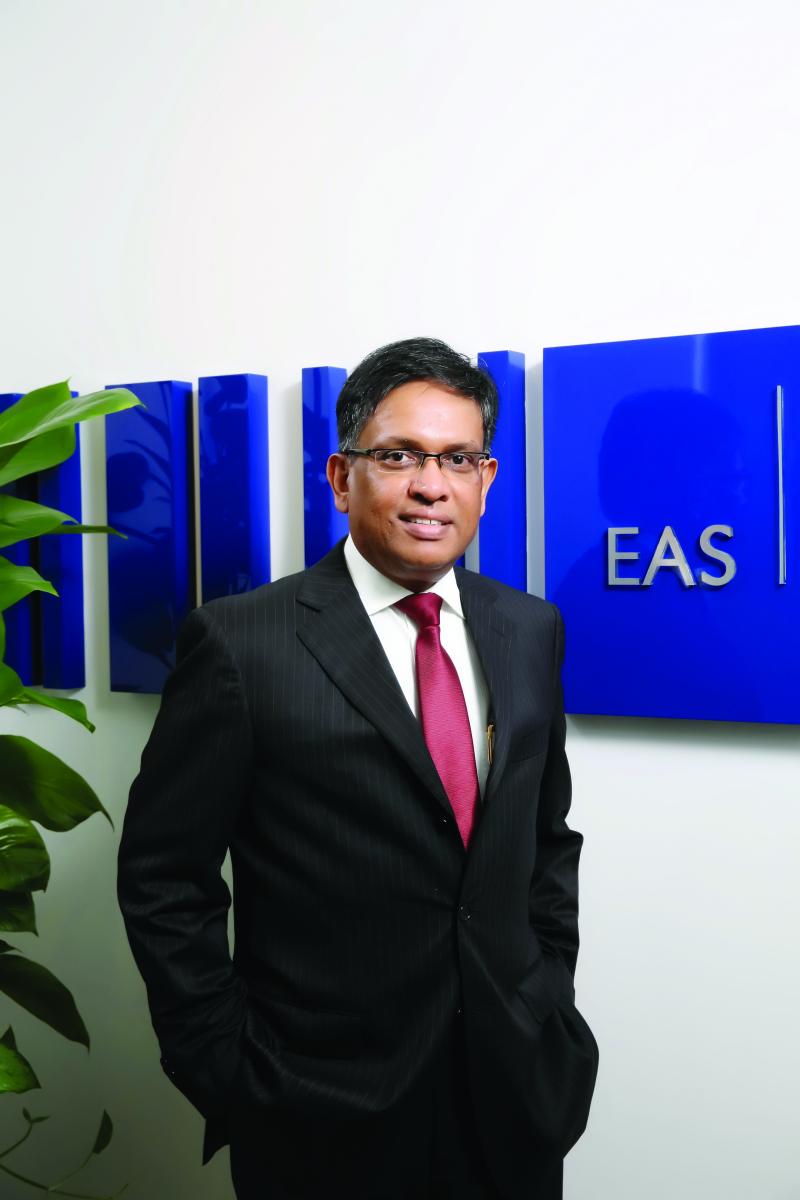
FPMJ: Full implementation of the ASEAN Economic Community is only a few months away. How would you assess the preparedness of member states?
The ASEAN Economic Community is expected to be achieved by 31 December 2015. As of September 2014, ASEAN has announced that it has implemented 82.1% of the measures under its AEC Blueprint (2008-2015). While the progress is commendable, ASEAN will have to strive further to achieve the remaining 17.9% of the measures in the Blueprint as they contain some of the key deliverables in the areas of trade facilitation, services and investment liberalisation, movement of skill labour, transport facilitation, etc.
ASEAN economic integration started way back in the 1990s when ASEAN initiated its ASEAN Free Trade Area. So, economic integration is not a new concept but received a shot in the arm with the decision of ASEAN in 2007 to work towards an economic community supported by the ASEAN Charter that came into effect in 2008.
All the ASEAN countries are at different stages of preparedness for the AEC. The more developed ASEAN-6 countries, especially the more open trading economies are more prepared for the AEC. The larger ASEAN-6 countries are also preparing their domestic economies for the advent of the AEC. The less developed ASEAN countries are working hard to get their economies ready for the AEC with the support of the more developed ASEAN countries as well as ASEAN’s dialogue partners.
Overall, ASEAN should be on its way to establish the AEC in a year’s time but the next stage will be equally important as the establishment of the AEC itself. While ASEAN may not be able to achieve 100% in terms of implementation, it should be able to complete about 90% of what it has set out to accomplish. Besides, we should not be fixated with the percentage of implementation but the breadth and depth of the integration as community building is a long-term process. The year 2015 is only the start of this ambitious project of building a viable, open and outward looking economic community.
FPMJ: How would you describe economic trade in ASEAN by 2015?
Trade has been a driver of ASEAN integration. ASEAN total trade now stands at US$ 2.5 trillion and GDP at US$2.4 trillion. Intra-ASEAN trade has grown over the years in volume reaching US$600 billion. However, the share of intra-ASEAN trade in ASEAN’s total trade still hovers around 25%. There is potential for this share to increase if ASEAN is able to put in place more effective trade facilitation measures such as its ASEAN Single Window for efficient customs clearance, forge regulatory convergence, harmonise technical standards and promote transport facilitation measures. With ASEAN expected to grow between 5-6% in the next few years propelled by trade and foreign direct investment, intra and extra-ASEAN trade is expected to grow further. ASEAN is projected to be the fourth largest economy in the world by 2050 after US, China and EU.
FPMJ: How will this affect the way ASEAN trades with other countries?
In essence, the AEC will create an “ASEAN Free Trade Area Plus Plus” region where there will be free flow of goods, services, investment, skill labour and freer flow of capital supported by free trade agreements with ASEAN’s trading partners. This will also involve the building of a mega free trade area in East Asia called the Regional Comprehensive Economic Partnership (RCEP), which will account for a third of global GDP, 27% of global trade and 45% of the world’s population. The RCEP negotiations are slated for completion by end 2015.
The trade patterns are also changing with the building of the AEC and free trade agreements. China is now the top trading partner of ASEAN followed by the European Union, Japan and the US. ASEAN-China trade is expected to hit US$500 billion in 2015. Intra-ASEAN trade is also poised to grow with the trade facilitation measures that are expected to come on stream by end 2015 as well as efforts to eliminate non-tariff barriers.
With the domestic consumption spurring the growth of some economies like Indonesia, China, and India, the ASEAN Trade in Goods Agreement as well as the ASEAN-China and ASEAN-India free trade agreements will provide preferential access for greater trade flows among these countries. The EU, Japan and US will continue to be important trade partners due to their huge accumulated investments in the ASEAN region and production networks they already operate in the region.
FPMJ: Will there be specific developments in the food & beverage industry?
The food & beverage industry is a beneficiary of the AEC and the ongoing economic developments in the region. The industry is considered a priority integration sector in ASEAN under the agro-based products sector. The removal of trade barriers and efforts towards regulatory coherence/convergence in ASEAN will support the growth of the industry as well as the swelling urban population and middle-income class that are demanding nutritious, high quality and safe food products. Besides, the agriculture and food industry is the largest industry in ASEAN and accounts for 38% of all employment for the population and there is every incentive for the governments to support the development and growth of this sector.
ASEAN governments are strengthening efforts to improve the productivity in the agriculture and food sector as well as the use of technology on the supply side. This will support the incomes of the farmers and raise their productivity so that they benefit from the AEC, too.
FPMJ: In this industry, are there stumbling blocks that remain across developing countries, and how do you think they can best be addressed?
The food industry is huge and diverse. It comprises the multinational companies, large local players and the micro and small and medium industries. As such the problems vary within countries and across the ten countries. Besides, the issue about protecting the domestic food industry is in the minds of the larger and less developed ASEAN countries while they prepare for the introduction of the AEC. Here, non-tariff barriers and differing regulations and technical standards are hampering the trade in food products and increasing the cost to the producers and as a result to the consumers. There are other issues such as food safety, hygiene, food fraud, etc, that are also affecting the industry as the region becomes a more open trading regime under the AEC.
The building of the ASEAN Single Market will help to address the issues in facilitating free flow of food products as long as the national governments in ASEAN are able to implement these measures and put in place monitoring and enforcement mechanisms. Some areas to consider will be the removal of non-tariff barriers such as harmonising nutrition labelling, and streamlining import-export certification and approval for authorization of food ingredients, additives and flavours.
Forging greater public-private collaboration will also help as the industry could provide its feedback on food policies, laws and regulations, industry expertise through appropriate industry associations. The industry could also assist in help building the capacities of small and medium enterprises so that they will be able to be an integral part of the supply and value chains of the food industry.
Note: EAS Strategic Advice is a global leader advising governments, trade associations and businesses on regulatory harmonisation and impact of new regulations in the food and nutritional products areas. Pushpanathan Sundram is also the Executive Chairman of the China-ASEAN Business Association (CABA), Principal Advisor to the ASEAN Food and Beverage Alliance (AFBA) and Senior Fellow with the Singapore Institute of International Affairs (SIIA), a top think-tank in Asia-Pacific.