
 Access
 Login/Register
 Supplier Login












Bio-based polyethylene (PE) is used in packaging applications such as carry bags, plastic films and bottles. The trend toward increased use of bio-based alternatives has given rise to the development of more renewable PE as an environment-friendly substitute to oil-based raw materials. Moreover, stricter regulations including the Montreal &Kyoto Protocol issued by regulatory bodies such as EPA and EC (European Commission) aimed at reducing GHG emission is projected to drive demand for bio-based PE.
The Asia Pacific region is expected to witness growth in the use of bio-based plastics due largely to the commitment of Japan to implement 20% bio-based plastics consumption by 2020.
Several companies have put sustainability into their agenda in their production of bio-based PE. Avery Dennison introduced two bio-based PE label films last year. These products are the first self-adhesive PE filmic labels with a face stock that includes more than 80% renewable content and offer brand owners the opportunity to meet their target on renewable resources in packaging, while continuing to benefit from the functionality and performance of a regular PE label.
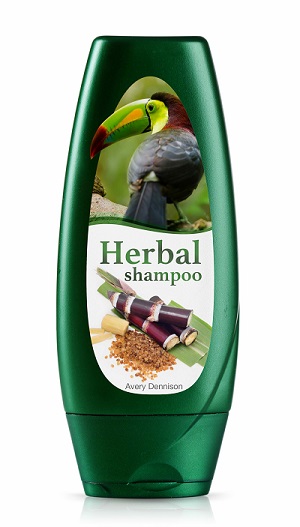
Avery Denison launched two bio-based PE label films.
The bio-based PE self-adhesive laminates are available in a white and a clear version. The resin used for the bio-based PE films is made from Bonsucro® Certified Sugar Cane, which follows rigorous social and environmental monitoring prior to certification. Both products offer performance and recyclability comparable to standard PE85 resin. With the proper precautions and preparation, the films act as drop-in replacements, meaning converters can substitute conventional PE for a bio-based PE label film without investing in new machinery.
By using biomass to create a PE label film which contains more than 80% bio- based resin, brand owners can reduce their dependency on fossil based packaging materials. The introduction of the bio- based film is Avery Dennison’s response to growing interest in using bio-based packaging materials.
Avery Dennison worked with global resin producer Braskem and Belgium converter Desmedt Labels to prototype and test the bio-based PE label at the Belgium facilities of Ecover, manufacturer of ecologically sound cleaning products. This product is one component in the wider efforts towards achieving Avery Dennison’s 2025 Sustainability Goals, and it demonstrates the way in which environmental improvements can go hand in hand with business success.
World’s first certified green ring binder
Samsill is converting its line of Earth’s Choice ring binders to bio-based materials. The company combined 100% post-consumer recycled chipboard - with plastic containing 25% of green PE, a bioplastic made from sugarcane ethanol, a 100% renewable source which promotes the reduction of greenhouse gasses. The finished product is at least 69% bio-based and is a USDA Certified Bio-based Product.
The green PE used in these binders is provided by Braskem. The resin combines technology, innovation, and sustainability to preserve the same characteristics as traditional polyethylene, both in application and recycling, while generating a negative carbon footprint from cradle to gate. Its manufacturing process uses approximately 46% of its energy from renewable sources and generates 0.428 kWh/lb of surplus energy. The surplus renewable energy is then used in the Brazilian energy matrix. The net life cycle of the resin production captures of over 2.15 lbs of carbon dioxide for each pound of green PE produced.
Samsill’s move fits right into the government’s effort to promote the use of bio-based solutions and the company has been applauded for earning the USDA Certified Bio-based Product label. According to a report USDA released in 2015, bio-based products contribute $369 billion to the U.S. economy each year and support, directly and indirectly, 4 million jobs. The same report found that bio-based products also displace approximately 300 million gallons of petroleum per year in the U.S., which is the equivalent of taking 200,000 cars off the road. The increased production of renewable chemicals and bio-based products contributes to the development and expansion of the U.S. bioeconomy – where society looks to agriculture for sustainable sources of fuel, energy, chemicals, and materials.