
 Access
 Login/Register
 Supplier Login












THERE are two main types of bread, wholemeal or brown and white. Most people in Europe prefer white bread, and that is a problem because white bread contains very little fiber. And the lack of dietary fibers in the European diet causes serious diseases such as diabetes, obesity and even cancer.
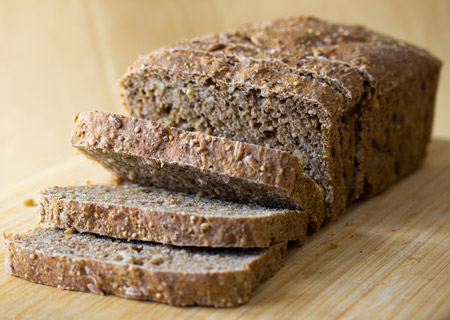
The EU-funded HEALTHBREAD project, which was completed in September 2014, came up with a solution: Providing nutritional benefits of brown bread, while retaining other sensory qualities that people love in white bread.
“We wanted to put the nutritional benefits of wholemeal bread – and possibly even beyond that – in bread products that have the taste and other qualities of white bread,” said Jan-Willem van der Kamp, the project coordinator and a senior officer for international projects at the Food and Nutrition department of TNO in de Bilt, the Netherlands.
The bran around the white kernel of the grain has all the good nutrients and fibers but also the bitter taste and the dark color, according to van der Kamp. So the project has developed a clever milling process. It is able to select those parts of bran that have the good nutrients without conferring the disagreeable taste some people attribute to brown bread. Changing fermentation processes used in bread making added even more beneficial qualities.
During the development, the team experienced some difficulties: “The main problem was that if you just increase the nutritional component, you get bad bread quality. No good texture, no good bread volumes,” said Mr. van der Kamp. “So the breadmaking process itself, the baking, also needed to be changed.” As it turned out, subtle changes, such as adding certain enzymes and vitamin C, solved the problem.
Other scientists in the field agree that dietary fiber is important for the health of the general population: “The European population should of course be encouraged to eat more fiber-rich fruit and vegetables, but these might be expensive, or unavailable,” said Marina Carcea, an expert in the food Industry and a senior technologist at Entecra in Rome.
This novel bread could have some positive consequences. “The new type of bread is more nutritional and the extra amount of fibers [it contains] will [result in people eating] less of it,” said Kati Katina, assistant professor of food sciences at the University of Helsinki.
Clearly the potential health benefits will outweigh possible downsides. “It’s more expensive but you need to see the bigger picture here. The health benefits should be taken into consideration,” Katina explained. “Not only will it help fight illnesses like obesity, diabetes, coronary diseases and certain types of cancer, but in doing so it will ultimately save money because these afflictions will be less of a burden on society.”
Air More Uptempo