
 Access
 Login/Register
 Supplier Login












BEFORE making a purchasing decision regarding product inspection equipment, consider the needs of your line. Do you require a machine to detect metal or glass, or other physical contaminants? Is product weight a principal concern? Are you having issues with missing or broken components in your finished packs?
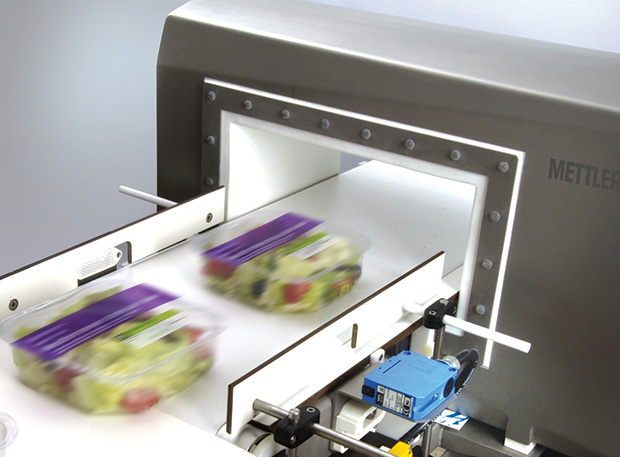
If the first is the biggest challenge for your production line, you should consider a metal detector or x-ray inspection system. A checkweigher would be the most suitable technology for the inspection of product weight, whilst an x-ray system would be ideal for overcoming the third challenge. You may require a range of product inspection equipment on your line to comply with industry safety standards, such as the British Retail Consortium (BRC) Global Standards, or legislation including the UK’s 1985 Weights and Measures Act, whilst ensuring other quality parameters are met.
To determine the needs of your line regarding contaminant detection and guarantee that the correct investment is being made, be sure to undertake a comprehensive Hazard Analysis and Critical Control Points (HACCP) audit of your manufacturing processes. This is an in-depth study that forms the basis of many food safety standards, including BRC Global Standards and other Global Food Safety Initiative (GFSI) approved guidelines. It helps you identify the points in your processes most vulnerable to contamination as well as the most likely forms of contamination that will occur. For example, if the principal contaminant threat is from metal fragments, then a metal detector would be the ideal technology to invest in. If glass shards or bones or stones are more likely, then an x-ray inspection system would be more suitable.
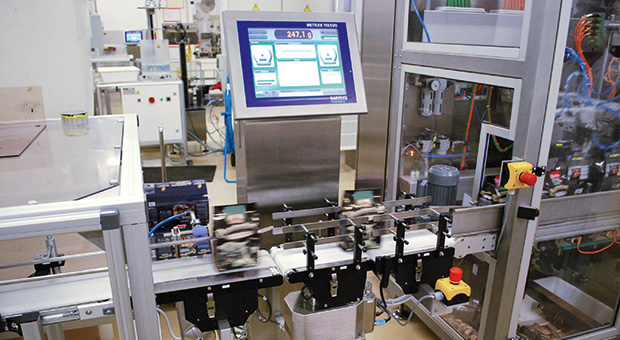
Consider the Human Machine Interface (HMI) of the product inspection system. With features such as digital touchscreen and intuitive software, the technology is easier to use. You minimise training time and expense
As well as deciding what the most suitable technology will be for your production line, you should look at which other features you might need to ensure compliance with food safety and quality standards. Product inspection systems with due diligence enhancements, such as lockable reject bins and HMIs accessible only using a high-security password, for example, can eliminate the risk of tampering that can result in rejected products being replaced on the processing line or in unauthorised adjustments to the machine’s operating settings. Some product inspection systems are capable of storing records of login attempts to help you to identify when access to the system has been attempted and by whom. It is important to identify the control and security needs of your processing line by researching the requirements of the safety regulations to which you must comply.
How does the cost of installation weigh against the savings?
On top of the machine’s initial price tag, it is important to take into account the installation costs. These include production downtime due to integration of the new technology and the cost of engineering time for set up. Take into account the disposal of the old equipment, and the time spent training staff to ensure they understand and can operate the new system.
Select product inspection equipment that is easy to install on existing lines. Machines that have a small footprint or combination systems, such as those featuring metal detection and checkweighing, can be integrated simply into processing lines with restricted space. Metal detection systems with Internal Cancellation Field (ICF) technology can be located next to other machinery without compromising detection sensitivity, further facilitating installation.
Pay attention to the nature of the Human Machine Interface (HMI) of the product inspection system you are considering. Features such as digital touchscreens and intuitive software can make the technology much more straightforward for your staff to use, minimising training time and expense. They can also simplify the setup of the new technology for your production line, saving you time and allowing your line to return to production as quickly as possible.
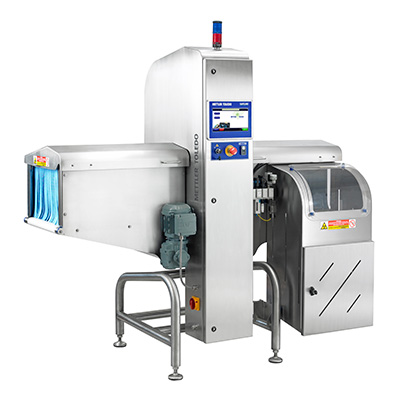
X-ray system from Mettler-Toledo
What are the perks of precision?
Is the product inspection system sensitive enough? Inspection precision can have a major impact on your production line, not just enhancing detection capability for physical contaminants, but enabling you to minimise costly product waste.
The installation of a more sensitive metal detector or x-ray inspection system than alternative solutions can minimise costly false rejects where compliant product is inaccurately deemed non-confirming. It can also eliminate the threat of false positives, which are contaminated products that pass undetected through the processing line, and therefore decrease the likelihood of an expensive product recall with the financial sanctions and damage to reputation that can result. Metal detectors or x-ray inspection systems that are more sensitive than alternatives can ensure you detect ever smaller foreign bodies in your products, maximising consumer safety.
By installing a checkweigher on your line, you can identify instances of product under- and overfill. This not only enables you to comply with weights and measures legislation, it can help you save money from wasted product given away in overfilled packs that can be removed from production and reworked.
Imagine that a processing line fills 20 cans per minute. Production occurs in three seven-hour shifts, 230 days per year. If an average overfill of 10 grams per can was found and the costs for the content of the can amounts to €0.0001 per gram, this results in €5,796 loss per year. By using a checkweigher to identify this overfill, the line could regain much of this lost profit every year. If you invest in a more sensitive checkweigher, able to measure weight with greater accuracy than alternative systems, you can set it to tighter tolerances to catch even minor instances of product overfill so you can reduce waste. If you are able to reduce average overfill to just 5 grams, for example, you would save €2,898 each year.
Additional checkweighing features, such as feedback control, can also result in financial gain. This innovative technology connects with the filling machines earlier in the production line and controls their output based on data from the checkweighing system. It automatically reduces or increases portion sizes according to weighing information in real time, minimising expensive product overfill.
What about the spare parts?
Have you considered the availability of spare parts for the product inspection equipment you intend to purchase? Will your machine require extensive maintenance in the coming years? The robustness of the technology should be evaluated as maintenance and repair can impact the total cost of owning any machine.
Machines designed to operate in humid conditions and withstand harsh wash-down regimes have low maintenance needs for optimum performance. Check the Ingress Protection (IP) rating of the product inspection machine to ensure it is able to withstand the humidity and chemical environment of your production line. Features such as granulate conveyor systems with extra wide belts and mechanism casings milled from a single block of plastic can protect the conveyor motors and rollers from the damaging effects of ingress of granular or particulate products, such as salt or sugar. These can lead to premature corrosion or increase friction between components, increasing maintenance requirements.
Speak to your supplier to determine the availability of any necessary spare parts. Product inspection systems with non-standard central processing units (CPUs) may be more difficult and more expensive to maintain, as the spare parts for the CPU may be harder to source. It’s ideal to select a product inspection equipment supplier with a reputation for short lead times on spare components to minimise downtime.
A machine fit for the future?
Also consider the flexibility of the product inspection system. Food safety standards are not static but rather constantly change to protect consumer wellbeing. It is important that the product inspection system can adapt to potential changes to industry guidelines without significant expenditure.
Look for product inspection systems capable of enhancing production line flexibility. Features such as easy-to-use HMIs with stored or variable product setup configurations can facilitate changeover of the processing line to new products, allowing you to respond more quickly to fluctuating market demand. Opt for metal detectors that make use of Variable Frequency Technology, which automatically selects the optimum detection frequency for the product to be inspected, overcoming the “product effect” or electrical signal created by wet or conductive products without compromising detection sensitivity. They can be set up for a potentially unlimited number of product changeovers, enabling you to process limited and seasonal product runs with productivity in mind.
Select product inspection systems from product inspection equipment suppliers that offer vision inspection and serialisation technology. This will enable you to adapt quickly to changes in food safety regulations that require traceability of products. Vision inspection systems are capable of examining information on pack labels, including pack weight, price and ingredient information and can track packs as they pass to the cartoning stage to palletisation to the transport that will take them to retailers. Such technology can enhance control over the production line, allowing you to demonstrate due diligence in the event of a product recall and protecting your brand’s reputation.
A reliable supplier?
Above all, it is vital you assess the reputation of your product inspection equipment partner before making the final decision regarding any new technology. A supplier known for quality and able to offer guidance at every stage will be best placed to help you find the most suitable solution for your needs.
Evaluate the service offering from the supplier. They should provide expert engineers to install and set up the new product inspection system as well as train line operatives. Suppliers with remote service support can monitor the performance of your equipment in real time, ensuring your product inspection system always operates at peak performance.
*Marketing and Communications Manager, Mettler-Toledo Product Inspection Division
trail Archives