
 Access
 Login/Register
 Supplier Login












HEALTH warnings associated with smoking are found on packets of cigarettes, infographics and public service announcements, and articles in popular magazines – think of all those warnings that smoking makes you look old faster. Smokers are likely to hear dozens of reasons why they should quit, there is one warning that they aren’t hearing from their doctor: Exposure to smoke from just one cigarette can prevent healing of chronic wounds.
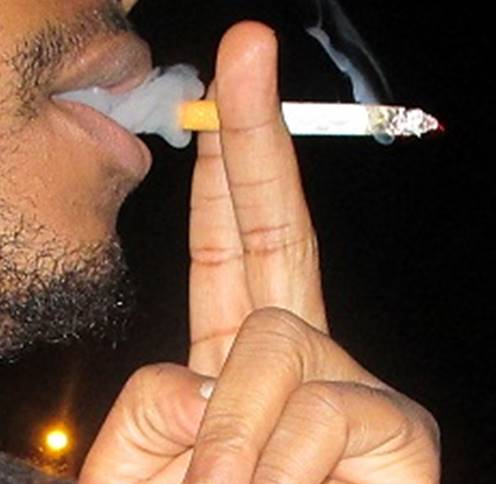 Exposure to smoke from just one cigarette can prevent healing, but a new study shows the habit's impact on healing is rarely discussed with chronic wound patients (Photo: The Ohio State University Center for Clinical and Translational Science)
About 6.5 million people in the U.S. suffer from non-healing wounds and cost the healthcare system more than $25 billion dollars a year, and yet the correlation between smoking and wound problems are rarely discussed during the often frequent doctor visits that chronic wound patients have, says a recently published study from Jodi McDaniel, PhD, CNP and Kristine Browning, PhD, CNP, researchers from The Ohio State University College of Nursing.
“Despite the evidence that cigarette smoking negatively impacts wound healing on multiple levels, it’s just not something that is typically mentioned in a patient visit,” said McDaniel. “While evidence based guidelines for both chronic wound care and smoking cessation exist, they aren’t being implemented together. We think this could be having profound effects on clinical outcomes, and ultimately, patient’s quality of life.”
Toxins from a single cigarette
McDaniel said that it takes just one cigarette to reduce blood and oxygen flow to tissues; and that a pack a day habit results in significant and prolonged oxygen deprivation to tissues.
While chronic wounds vary in type, they share common characteristics of inflammation and reduced blood flow that make them particularly susceptible to the approximately 4,000 toxic chemicals found in cigarette smoke.
“The deep skin wrinkling associated with chronic smoking is caused by chemicals that impact the production of collagen, a protein that is also critical to the wound repair process,” she said. “Chemicals like carbon monoxide also reduce blood flow to the wound and prevent skin’s natural anti-inflammatory and anti-bacterial mechanisms – so it’s a perfect chemical storm which makes wounds more likely to get infected, and less likely to heal.”
Missed opportunities, simple solutions
The nurse scientists point out that these data alone – coupled with the vast financial, social and clinical impact of chronic wounds, should make smoking cessation a priority topic during clinical visits. “There are people with non-healing wounds living with chronic pain or needing amputations,” said Browning. “It’s stunning that more attention hasn’t been paid to this issue.”
Wound care physicians may be unsure when or how to bring up smoking cessation, something that could easily be fixed. “All it would take is for the smoking cessation guidelines to be added to the appendix of existing evidence based guidelines for wound care, and healthcare providers would have a foundation for how, when and what to say,” noted Browning.
McDaniel and Browning are hopeful their study will highlight the issue, and help jumpstart the conversation about smoking and wound healing, and for clinicians to help start a dialogue that will emphasize the importance of tobacco cessation and potentially improve healing outcomes.
Air Force 1 High KPU