
 Access
 Login/Register
 Supplier Login












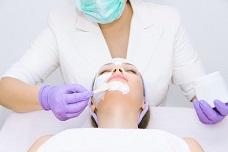 EXFOLIATION can be achieved chemically, by applying an acid that dissolves those cells, or mechanically, by using a brush or scrub to physically remove the cells. Some exfoliation treatments may actually make some people’s skin worse, however, so a board-certified dermatologist can help individuals understand their skin and choose the exfoliation option that’s best for them and their skin type.
Mary P. Lupo, MD, FAAD, clinical professor of dermatology, Tulane University School of Medicine, New Orleans, said results are immediate after an exfoliation treatment, as the removal of dead cells leaves the skin looking brighter. Exfoliation also can improve the effectiveness of topical skin treatments, which can penetrate deeper once the topmost layer of skin is removed. Long-term benefits of exfoliation can include increased collagen production, resulting in younger-looking skin.
Individuals who may benefit from exfoliation treatment include those who have experienced premature aging due to sun exposure and those with noninflammatory acne, which is acne with only blackheads and whiteheads, according to Dr. Lupo.
Nonetheless, she cautioned, individuals with inflammatory acne, which includes cysts and pustules, should consult a board-certified dermatologist before selecting an exfoliation method. More aggressive chemical or mechanical treatments could actually make their condition worse. The same is true of people with rosacea, as many forms of exfoliation may increase facial redness.
Postinflammatory hyperpigmentation (PIH), or the appearance of dark spots on the skin, may also result from more aggressive forms of exfoliation, Dr. Lupo warned. People with skin of color or those who notice such dark spots after burns or bug bites may be prone to PIH, she added, and recommends that these individuals avoid aggressive exfoliation treatments.
Additionally, exfoliation may aggravate other skin conditions like herpes simplex, molluscum contagiosum and warts, because these conditions include raised, fluid-filled bumps that could open and become infected. Before beginning an exfoliation regimen, Dr. Lupo recommends consulting with a board-certified dermatologist, who can evaluate an individual’s medical history and recommend the best exfoliation options. (American Academy of Dermatology)
Adidas