
 Access
 Login/Register
 Supplier Login












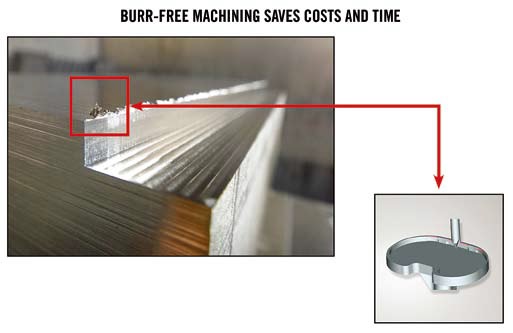
Achieving process security requires creation of a stable production environment. The areas manufacturers must analyse include machine tool maintenance, CAM programming, tool holding systems and coolant application. Work handling automation such as pallet or robotic part load/unload systems could be part of the evaluation as well.
The art and science of production economics focuses on assuring maximum security in, and predictability of, the manufacturing process, while maintaining highest productivity and lowest production costs. When the metal cutting process and environment are secure and predictable, production economics becomes a two-dimensional pursuit: finding a balance between production outputs and manufacturing costs that is appropriate for a manufacturer’s specific situation. For example, in mass production of simple parts, maximising output at minimal costs may be the primary consideration. On the other hand, in high-mix, low-volume manufacturing of valuable complex parts, the emphasis must be on total reliability and accuracy before addressing manufacturing costs.
Minimising unplanned downtime
Maximum utilisation of manufacturing resources requires the minimisation of downtime, which, most simply, is the period when the machine tool is not making chips. Some downtime is necessary and planned. This includes the time spent programming and maintaining the machine tool, installing fixturing, loading and unloading workpieces and changing tooling.
Manufacturers account for planned downtime in their production schedules. However, production of unacceptable parts results in unplanned downtime. When a rejected workpiece must be remachined, the time consumed originally machining it represents unplanned downtime and is wasted.
Traditionally, shops take a reactive approach to reducing unplanned downtime. When a problem halts production, the search for a solution begins. Rather than waiting to react to a negative situation, a better approach is proactive planning that recognises key targets for the operation and steers the process toward them from the beginning. Most shops spend 20% in preparation efforts followed by 80% implementation and testing. The ideal would be to invest 80% in preparation and the rest in implementation and adjustments if necessary.
In preparing for a machining operation, a shop should analyse its targets and develop reliable processes to achieve them. The primary target is not always increased production rates. Although some manufacturing situations, such as automotive part production, remain true examples of high-volume mass production, manufacturing in general is moving more towards high-mix, low-volume scenarios.
In mass production, losing 50 or 100 parts when developing a machining process that will turn out hundreds of thousands of parts over a long period of time represents a tiny percentage of the overall volume and can easily be absorbed. However, in a high-mix, low-volume situation, the process must be as fully developed as possible before partmaking even begins. High-mix, low-volume scenarios can involve small batches, single-digit lot sizes or even custom one-part runs. In these cases, rejection of a few parts represents the difference between a profit and a loss.
Micro versus macro
The traditional approach to maximising metal cutting output involves a narrow-perspective micro model based on optimisation of individual tools in individual operations. Macro models, on the other hand, consider manufacturing processes from a broader perspective. These models concentrate on the total floor-to-floor time required to produce a given workpiece.
The relationship between the micro and macro-economic models can be compared to an artist’s perspective when creating a painting. The micro model concentrates on individual details, in the same way that an artist would concentrate on individual brush strokes. The macro model steps back and views the part production process overall, as in viewing a painting in its entirety. It is clear that attention to detail is necessary, but not at the price of ignoring the overall purpose of the effort.
Hidden costs
Exaggerated fixation on detail can distract attention from the final outcome of the process. For instance, it is a disadvantage to reduce cutting time by ten seconds when it is achieved with an extra tool that adds ten minutes in setup and indexing time. Similarly, working to achieve product quality beyond customer requirements will increase costs and production time. Almost seriously, one could ask, “How long would it take, and how much would it cost, to produce the worst workpiece possible, which is still functionally acceptable?”
Operating costs
Models for machining costs can also represent micro- and macro-perspectives. Micro-models consider cutting processes from a narrow viewpoint, linking cutting conditions directly to cutting costs. Macro-economic models work from a broader perspective, emphasising the overall time required to produce a given workpiece.
Manufacturers’ measure production rate in various ways, from workpieces completed over a period of time to the total length of time required to finish an operation. Many factors affect production rate, including workpiece geometry requirements and material characteristics, product flow throughout a facility, personnel input, maintenance, peripheral equipment and environmental, recycling, and safety issues.
Some elements of manufacturing costs are fixed. Workpiece complexity and material generally dictate the type and number of machining operations required to make a part. The costs of acquiring and maintaining a facility’s machine tools and the power to run them are basically fixed costs. Labour costs are somewhat more flexible, but are effectively fixed for at least the short term. These costs must be offset with revenue from the sale of machined components. Raising production rate – the speed at which workpieces are converted into finished products – can offset fixed costs.
Individual optimisation
After the overall productivity and cost efficiency picture of a process is balanced and optimised on a macro basis, manufacturers can achieve further improvements by careful optimisation of individual operations. Cutting conditions – namely depth of cut, feed rate and cutting speeds – play a key role in balancing productivity and costs. Any or all of the three can contribute to reductions in machining time, but the impact of each on reliability of the process varies widely. Depth of cut essentially has no effect on tool life. Feed rate affects tool life slightly. However, the impact of cutting speed on tool life, as well as on the reliability of the cutting process, is significant.
Many shop managers believe that simply increasing cutting speeds will produce more parts per period of time and thereby reduce manufacturing costs. Usually that is true, but trade-offs are involved. In general, the faster an operation runs the less stable it becomes. High speeds generate more heat that affect both tool and workpiece. Tool wear occurs faster and is less predictable, and tool wear or vibration can cause part dimensions to vary and surface finish to decline.
A tool may break and mar the workpiece. In addition, a process operating at the outer boundaries of reliability is typically unable to run untended or semi-tended, eliminating a potential source of labour savings. Extremely high cutting speeds and aggressive machining parameters can increase machine maintenance costs and even downtime resulting from machine failures.
Recognising these issues, American mechanical engineer F.W. Taylor, at the beginning of the 20th century, developed a model for determination of tool life. The model shows that for given combination of depth of cut and feed there is a certain window for cutting speeds where tool deterioration is safe, predictable and controllable. Taylor’s model makes it possible to quantify the relationship between cutting speed, tool wear and tool life, balancing cost efficiency and productivity and providing a clear picture of the optimum cutting speed for an operation.
In general, manufacturers should select the largest depths of cut and highest feed rates possible for each operation, subject to the stability of the tool clamping, workpiece fixturing and machine tool, as well as the machine tool’s power. Operational safety, in regards to chip formation and evacuation, vibrations and workpiece deformation, also must be considered. A balanced approach involves reduced cutting speeds matched with proportional increases in feed rate and depth of cut. Utilising the largest depth of cut possible reduces the number of cutting passes required and thereby reduces machining time. Feed rate should be maximised as well, although workpiece quality and surface finish requirements can be affected by excessive feed rates. In most cases, increases in feed rate and depth of cut while maintaining or lowering cutting speeds will produce metal removal rates equal to that achieved by higher cutting speeds alone.
Production costs are the sum of tool costs and machine costs. With increasing cutting speeds, machining times become shorter and machine costs decrease. However, from a certain point overall costs rise because shorter tool life increases the cost of tooling and tool change times enough to surpass the savings in machine cost.
When a stable and reliable combination of feed rate and depth of cut has been reached, cutting speeds can be used for final calibration of the operation. The target is a higher cutting speed that reduces machine time costs but does not excessively raise cutting tool costs via accelerated tool wear.
Non-cutting issues
Environmental and safety issues represent increasingly important factors in production economics. Manufacturers are under pressure to conserve energy. Use and disposal of coolants and cutting oils is increasingly regulated and expensive. A balanced approach to cutting conditions can help manufacturers deal with these and similar concerns. Lower cutting speeds combined with increased feed rate and smaller depths of cut reduce the amount of energy required to remove metal. Balanced conditions also increase tool life, reducing tool consumption and disposal issues. Lower energy consumption results in reduced generation of heat, offering opportunities for minimal- or zero-coolant machining.
บรรลุการรักษาความปลอดภัยขั้นตอนต้องมีการสร้างสภาพแวดล้อมการผลิตที่มั่นคง ผู้ผลิตต้องวิเคราะห์พื้นที่รวมถึงการบำรุงรักษาเครื่องจักรเครื่องมือการเขียนโปรแกรม CAM เครื่องมือถือระบบและการประยุกต์ใช้น้ำหล่อเย็น การจัดการระบบอัตโนมัติทำงานเช่นพาเลทหรือโหลดส่วนหุ่นยนต์ / ระบบขนอาจเป็นส่วนหนึ่งของการประเมินผลเป็นอย่างดีศิลปะและวิทยาศาสตร์ของเศรษฐศาสตร์การผลิตมุ่งเน้นไปที่ความเชื่อมั่นกับการรักษาความปลอดภัยสูงสุดและการคาดการณ์ของกระบวนการผลิตในขณะที่รักษาผลผลิตสูงสุดและต้นทุนการผลิตที่ต่ำที่สุด เมื่อกระบวนการตัดโลหะและสภาพแวดล้อมที่มีความปลอดภัยและคาดการณ์เศรษฐกิจการผลิตการแสวงหากลายเป็นสองมิติ: การหาสมดุลระหว่างผลการผลิตและต้นทุนการผลิตที่มีความเหมาะสมกับสถานการณ์ที่เฉพาะเจาะจงของผู้ผลิต ยกตัวอย่างเช่นในการผลิตมวลของชิ้นส่วนที่เรียบง่าย, การเพิ่มผลผลิตที่ค่าใช้จ่ายน้อยที่สุดอาจจะเป็นข้อพิจารณาเบื้องต้น ในทางตรงกันข้ามในสูงผสม, การผลิตต่ำปริมาณของชิ้นส่วนที่ซับซ้อนที่มีคุณค่าความสำคัญจะต้องมีความน่าเชื่อถือและความถูกต้องทั้งหมดก่อนที่อยู่ที่ต้นทุนการผลิตMinimising หยุดทำงานโดยทันทีการใช้ประโยชน์สูงสุดของทรัพยากรการผลิตต้องลดการหยุดทำงานซึ่งส่วนใหญ่ก็เป็นช่วงเวลาที่เครื่องมือเครื่องไม่ได้ทำให้ชิป การหยุดทำงานบางอย่างเป็นสิ่งที่จำเป็นและการวางแผน ซึ่งรวมถึงเวลาในการเขียนโปรแกรมการใช้จ่ายและการบำรุงรักษาเครื่องมือเครื่องจักรติดตั้งยึดขนถ่ายชิ้นงานและการเปลี่ยนแปลงการขับรถผู้ผลิตบัญชีสำหรับการหยุดทำงานวางแผนในตารางการผลิตของพวกเขา อย่างไรก็ตามการผลิตชิ้นส่วนที่ยอมรับไม่ได้ผลในการหยุดทำงานโดยทันที เมื่อชิ้นงานจะต้องปฏิเสธ remachined เวลาที่บริโภคเดิมกลึงมันหมายถึงหยุดทำงานโดยทันทีและมีการสูญเสียตามเนื้อผ้าร้านขายของที่ใช้วิธีการลดปฏิกิริยาที่หยุดทำงานโดยทันที เมื่อเกิดปัญหาหยุดการผลิต, การค้นหาสำหรับการแก้ปัญหาเริ่มต้น แทนที่จะรอที่จะตอบสนองต่อสถานการณ์ที่ติดลบวิธีที่ดีคือการวางแผนเชิงรุกที่ตระหนักถึงเป้าหมายที่สำคัญสำหรับการดำเนินงานและกระบวนการนำพาไปยังพวกเขาจากจุดเริ่มต้น ร้านค้าส่วนใหญ่ใช้จ่าย 20% ในความพยายามของการเตรียมความพร้อมตามด้วยการดำเนิน 80% และการทดสอบ เหมาะที่จะลงทุน 80% ในการเตรียมการและส่วนที่เหลือในการดำเนินงานและการปรับในกรณีที่จำเป็นในการเตรียมการสำหรับการดำเนินงานเครื่องจักรกล, ร้านควรวิเคราะห์เป้าหมายและพัฒนากระบวนการที่เชื่อถือได้เพื่อให้บรรลุพวกเขา เป้าหมายหลักจะไม่เพิ่มขึ้นเสมออัตราการผลิต แม้ว่าบางสถานการณ์การผลิตเช่นการผลิตชิ้นส่วนยานยนต์ยังคงเป็นตัวอย่างที่แท้จริงของการผลิตมวลปริมาณสูงการผลิตโดยทั่วไปมีการเคลื่อนไหวมากขึ้นต่อสูงผสมสถานการณ์ปริมาณน้อยในการผลิตมวล, การสูญเสีย 50 หรือ 100 ส่วนเมื่อมีการพัฒนากระบวนการเครื่องจักรที่จะเปิดออกหลายร้อยหลายพันชิ้นส่วนในระยะเวลานานของเวลาหมายถึงร้อยละเล็กของปริมาณโดยรวมและสามารถถูกดูดซึม อย่างไรก็ตามในการผสมผสานความสูงต่ำสถานการณ์ปริมาณกระบวนการจะต้องได้รับการพัฒนาอย่างเต็มที่เท่าที่จะทำได้ก่อน partmaking แม้จะเริ่มต้นขึ้น สูงผสมสถานการณ์ปริมาณต่ำสามารถเกี่ยวข้องกับ batches ขนาดเล็กหลักเดียวมากขนาดที่กำหนดเองหรือแม้แต่ส่วนเดียววิ่ง ในกรณีเหล่านี้ปฏิเสธบางส่วนแสดงให้เห็นถึงความแตกต่างระหว่างกำไรและการสูญเสียเมื่อเทียบกับไมโครแมโครวิธีการแบบดั้งเดิมสู่การเพิ่มผลผลิตการตัดโลหะเกี่ยวข้องกับรูปแบบไมโครแคบมุมมองบนพื้นฐานของการเพิ่มประสิทธิภาพของเครื่องมือแต่ละบุคคลในการดำเนินงานของแต่ละบุคคล รุ่นมาโครในมืออื่น ๆ ให้พิจารณากระบวนการผลิตจากมุมมองที่กว้างขึ้น รุ่นนี้มีสมาธิในเวลาพื้นชั้นทั้งหมดที่จำเป็นในการผลิตชิ้นงานได้รับความสัมพันธ์ระหว่างรุ่นจุลภาคและมหภาคเศรษฐกิจสามารถเทียบกับมุมมองของศิลปินเมื่อมีการสร้างภาพวาด รูปแบบไมโครมุ่งเน้นที่รายละเอียดของแต่ละบุคคลในลักษณะเดียวกับที่ศิลปินจะมีสมาธิในการแปรงจังหวะของแต่ละบุคคล รูปแบบแมโครขั้นตอนที่กลับมาและมุมมองกระบวนการผลิตชิ้นส่วนโดยรวมในการดูภาพวาดในสิ่งทั้งปวง เป็นที่ชัดเจนว่าใส่ใจในรายละเอียดเป็นสิ่งจำเป็น แต่ไม่ได้อยู่ที่ราคาของละเลยวัตถุประสงค์โดยรวมของความพยายามที่ค่าใช้จ่ายแอบแฝงตรึงพูดเกินจริงในรายละเอียดสามารถเบี่ยงเบนความสนใจจากผลสุดท้ายของกระบวนการ ยกตัวอย่างเช่นข้อด้อยก็คือเพื่อลดเวลาในการตัดสิบวินาทีเมื่อมันจะประสบความสำเร็จด้วยเครื่องมือพิเศษที่เพิ่มสิบนาทีในการติดตั้งและการจัดทำดัชนีเวลา ในทำนองเดียวกันการทำงานเพื่อให้ได้คุณภาพสินค้าเกินกว่าความต้องการของลูกค้าจะเพิ่มค่าใช้จ่ายและเวลาในการผลิต เกือบจริงจังใครจะถามว่า "นานแค่ไหนก็จะใช้เวลาและวิธีการมากมันจะมีค่าใช้จ่ายในการผลิตชิ้นงานที่เลวร้ายที่สุดที่เป็นไปได้ซึ่งยังคงเป็นที่ยอมรับหน้าที่?"ค่าใช้จ่ายในการดำเนินงานรุ่นสำหรับค่าใช้จ่ายในการตัดเฉือนยังสามารถเป็นตัวแทนของไมโครและแมโครมุมมอง Micro-รุ่นพิจารณาตัดกระบวนการจากมุมมองแคบ ๆ เชื่อมโยงการตัดเงื่อนไขโดยตรงกับการตัดค่าใช้จ่าย แบบจำลองเศรษฐกิจมหภาคทำงานจากมุมมองที่กว้างเน้นเวลาโดยรวมที่จำเป็นในการผลิตชิ้นงานได้รับวัดอัตราการผลิตของผู้ผลิตในรูปแบบต่างๆจากชิ้นงานที่เสร็จสมบูรณ์ในช่วงเวลาที่จะมีความยาวรวมของเวลาที่จำเป็นในการเสร็จสิ้นการดำเนินการอื่น ปัจจัยหลายอย่างที่ส่งผลกระทบต่ออัตราการผลิตรวมทั้งความต้องการชิ้นงานรูปทรงเรขาคณิตและลักษณะวัสดุไหลของผลิตภัณฑ์ตลอดทั้งสิ่งอำนวยความสะดวก, การป้อนข้อมูลบุคลากร, การบำรุงรักษาอุปกรณ์ต่อพ่วงและสิ่งแวดล้อมรีไซเคิลและปัญหาด้านความปลอดภัยองค์ประกอบบางส่วนของต้นทุนการผลิตได้รับการแก้ไข ความซับซ้อนของชิ้นงานและวัสดุที่ใช้โดยทั่วไปกำหนดชนิดและจำนวนของการดำเนินงานเครื่องจักรกลที่จำเป็นเพื่อให้มีส่วนร่วม ค่าใช้จ่ายในการซื้อและการบำรุงรักษาเครื่องมือเครื่องสิ่งอำนวยความสะดวกและอำนาจที่จะเรียกพวกเขาที่มีต้นทุนคงที่โดยทั่วไป ค่าใช้จ่ายแรงงานที่ค่อนข้างมีความยืดหยุ่นมากขึ้น แต่ได้รับการแก้ไขอย่างมีประสิทธิภาพอย่างน้อยในระยะสั้น ค่าใช้จ่ายเหล่านี้จะต้องได้รับการชดเชยด้วยรายได้จากการขายชิ้นส่วนกลึง การเพิ่มอัตราการผลิต - ความเร็วที่ชิ้นงานจะถูกแปลงเป็นผลิตภัณฑ์สำเร็จรูป - สามารถชดเชยค่าใช้จ่ายคงที่การเพิ่มประสิทธิภาพของแต่ละบุคคลหลังจากที่ผลผลิตและประสิทธิภาพค่าใช้จ่ายในภาพรวมของกระบวนการที่มีความสมดุลและเพิ่มประสิทธิภาพบนพื้นฐานแมโคร, ผู้ผลิตสามารถบรรลุการปรับปรุงต่อไปโดยการเพิ่มประสิทธิภาพระมัดระวังในการดำเนินงานของแต่ละบุคคล เงื่อนไขการตัด - คือความลึกของการตัดอัตราการป้อนและความเร็วในการตัด - มีบทบาทสำคัญในการสร้างความสมดุลระหว่างการผลิตและค่าใช้จ่าย ใดหรือทั้งหมดของสามสามารถนำไปสู่การลดเวลาในการตัดเฉือน แต่ผลกระทบของแต่ละกับความน่าเชื่อถือของกระบวนการที่แตกต่างกัน ความลึกของการตัดเป็นหลักไม่มีผลกับอายุการใช้งาน ส่งผลกระทบต่ออัตราการป้อนอายุการใช้งานออกไปเล็กน้อย อย่างไรก็ตามผลกระทบของการลดความเร็วในอายุการใช้งานเช่นเดียวกับความน่าเชื่อถือของกระบวนการตัดที่มีความสำคัญผู้จัดการร้านหลายคนเชื่อว่าเพียงแค่การเพิ่มความเร็วในการตัดจะผลิตชิ้นส่วนอื่น ๆ ต่อระยะเวลาของเวลาและจึงลดต้นทุนการผลิต มักจะว่าเป็นความจริง แต่ไม่ชอบการค้าที่มีส่วนเกี่ยวข้อง โดยทั่วไปแล้วการดำเนินการได้เร็วขึ้นทำงานมีเสถียรภาพน้อยมันจะกลายเป็น ด้วยความเร็วสูงสร้างความร้อนอื่น ๆ ที่ส่งผลกระทบต่อทั้งเครื่องมือและชิ้นงาน เครื่องมือการสึกหรอเกิดขึ้นได้เร็วขึ้นและเป็นที่คาดหมายน้อยลงและการสึกหรอหรือการสั่นสะเทือนอาจทำให้เกิดมิติส่วนที่แตกต่างกันไปและพื้นผิวจะลดลงเครื่องมือในการทำลายและอาจทำลายชิ้นงาน นอกจากนี้ยังมีขั้นตอนการปฏิบัติงานที่ด้านนอกขอบเขตของความน่าเชื่อถือโดยทั่วไปจะไม่สามารถเรียกใช้ untended หรือกึ่งมีแนวโน้มกำจัดแหล่งที่มีศักยภาพของการออมแรงงาน ตัดด้วยความเร็วสูงมากและพารามิเตอร์เครื่องจักรกลก้าวร้าวสามารถเพิ่มค่าใช้จ่ายในการบำรุงรักษาเครื่องและแม้กระทั่งการหยุดทำงานที่เกิดจากความล้มเหลวของเครื่องตระหนักถึงปัญหาเหล่านี้อเมริกันวิศวกรเครื่องกล F.W. เทย์เลอร์ที่จุดเริ่มต้นของศตวรรษที่ 20 การพัฒนาแบบจำลองสำหรับการกำหนดอายุการใช้งาน รูปแบบที่แสดงให้เห็นว่าสำหรับการรวมกันได้รับความลึกของการตัดและอาหารมีหน้าต่างบางอย่างสำหรับการตัดด้วยความเร็วที่เสื่อมสภาพเครื่องมือที่มีความปลอดภัยคาดเดาได้และสามารถควบคุมได้ รุ่นเทย์เลอร์ทำให้มันเป็นไปได้ที่จะหาจำนวนความสัมพันธ์ระหว่างความเร็วในการตัด, การสึกหรอและอายุการใช้งานที่มีประสิทธิภาพสมดุลค่าใช้จ่ายและการผลิตและให้ภาพที่ชัดเจนของความเร็วในการตัดที่เหมาะสมสำหรับการดำเนินการโดยทั่วไปผู้ผลิตควรเลือกระดับความลึกที่ใหญ่ที่สุดของการตัดและอัตราการป้อนสูงสุดที่เป็นไปได้สำหรับการดำเนินงานในแต่ละเรื่องเพื่อความมั่นคงของเครื่องมือหนีบยึดชิ้นงานและเครื่องมือเครื่องเช่นเดียวกับเครื่องมือไฟฟ้าของเครื่อง ความปลอดภัยในการปฏิบัติงานในเรื่องที่เกี่ยวกับการก่อตัวชิปและการอพยพ, การสั่นสะเทือนและการเปลี่ยนรูปชิ้นงานยังต้องได้รับการพิจารณา วิธีการที่สมดุลเกี่ยวข้องกับการตัดด้วยความเร็วที่ลดลงจับคู่กับการเพิ่มขึ้นของสัดส่วนในอัตราการป้อนและความลึกของการตัด เงินทองที่ใหญ่ที่สุดในระดับความลึกของการตัดเป็นไปได้ที่จะช่วยลดจำนวนของการตัดผ่านที่จำเป็นและจะช่วยลดเวลาในการตัดเฉือน อัตราการป้อนควรได้รับการขยายเช่นกันแม้จะมีคุณภาพชิ้นงานและพื้นผิวที่ต้องการเสร็จสามารถรับผลกระทบจากอัตราการป้อนมากเกินไป ในกรณีส่วนใหญ่เพิ่มขึ้นในอัตราการป้อนและความลึกของการตัดในขณะที่รักษาหรือลดความเร็วในการตัดจะผลิตอัตราการกำจัดโลหะเท่ากับว่าประสบความสำเร็จโดยการตัดด้วยความเร็วที่สูงขึ้นเพียงอย่างเดียวต้นทุนการผลิตรวมของค่าใช้จ่ายและค่าใช้จ่ายเครื่องมือเครื่อง ด้วยความเร็วที่เพิ่มขึ้นตัดครั้งกลายเป็นเครื่องจักรกลที่สั้นลงและค่าใช้จ่ายลดลงเครื่อง แต่จากจุดหนึ่งค่าใช้จ่ายโดยรวมเพิ่มขึ้นเนื่องจากอายุการใช้งานสั้นกว่าการเพิ่มขึ้นของค่าใช้จ่ายของการขับรถและการเปลี่ยนแปลงเครื่องมือที่มากพอที่จะเอาชนะการประหยัดค่าใช้จ่ายเครื่องเมื่อรวมกันที่มีเสถียรภาพและเชื่อถือได้ของอัตราการป้อนและความลึกของการตัดได้รับถึงความเร็วในการตัดสามารถนำมาใช้สำหรับการสอบเทียบสุดท้ายของการดำเนินการ เป้าหมายคือความเร็วในการตัดสูงกว่าค่าใช้จ่ายที่ลดเวลาที่เครื่อง แต่ไม่มากเกินไปเพิ่มตัดค่าใช้จ่ายผ่านทางเครื่องมือการสึกหรอเร่งปัญหาที่ไม่ใช่การตัดปัญหาสิ่งแวดล้อมและความปลอดภัยแทนปัจจัยสำคัญมากขึ้นในการผลิตเศรษฐศาสตร์ ผู้ผลิตภายใต้ความกดดันเพื่อการอนุรักษ์พลังงาน การใช้งานและการกำจัดของสารหล่อเย็นและตัดเป็นน้ำมันที่มีการควบคุมมากขึ้นและมีราคาแพง วิธีการที่สมดุลกับสภาพการตัดสามารถช่วยให้ผู้ผลิตจัดการกับเหล่านี้และกังวลที่คล้ายกัน ตัดด้วยความเร็วที่ลดลงรวมกับอัตราการป้อนที่เพิ่มขึ้นและความลึกขนาดเล็กของการตัดลดปริมาณของพลังงานที่จำเป็นในการลบโลหะ สภาพสมดุลยังเพิ่มอายุการใช้งานลดการใช้เครื่องมือและการกำจัดปัญหา ผลการลดการใช้พลังงานในการผลิตที่ลดลงของความร้อนโอกาสเสนอเครื่องจักรกล minimal- หรือศูนย์น้ำหล่อเย็น
Air Max 2017