
 Access
 Login/Register
 Supplier Login












FUTURE Market Insights (FMI) points to high-end innovation among manufacturers as the key growth driver in the beverage packaging industry. The firm sees the market growing at 3.3% CAGR from 2015 to 2025 to US$257,547.9 million.
In its latest report, “Beverage Packaging Market to be Driven by Novel Packaging Solutions: Global Industry Analysis and Opportunity Assessment 2015 – 2025”, FMI says improvements in the design, texture, feel, and size of packaging products will continue to spur the market.
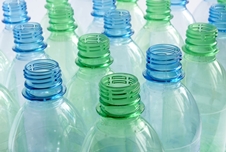
(Photo © Pick5 I Dreamstime.com)
"Technological improvements in the production of attractive and functional packaging options, coupled with increasing purchasing power of consumers globally are key factors expected to fuel growth of the beverage packaging market between 2015 and 2025," according to an FMI analyst.
These innovations offer packaging companies and retailers an opportunity to reap greater profits through economies of scale.
According to the report, which delivers key insights on the beverage packaging market, the sector is relatively buoyant in emerging economies in India, China, Indonesia, Thailand, Vietnam, Brazil, Poland, Hungary, Russia, South Africa, and Middle Eastern countries. The market achieved about US$181,150.9 million in value last year.
The report covers six segments, namely glass bottles, plastic bottles, cans, liquid cartons (brick, gable-top etc.), pouch/sachet, and others. Plastic bottles represented the largest segment with a total market share in 2014 exceeding 50%. Cans followed with a 21.6% share.
The others category is the smallest segment covering products such as yoghurt pots and 3 gallon to 5 gallon reusable water bottles but it is expected to exhibit the highest CAGR, followed by plastic bottles and liquid cartons.
In terms of raw material, plastic remained widely used in 2014 with 53.4% of products made using plastic. Paper/paperboard, used for primary packaging of beverages in the form of liquid cartons, is forecast to rise in popularity owed to increased market penetration and widening application range covering juices, drinkable yogurt, flavored milk, and alternative beverages. Meanwhile, factors such as price, weight, and supply chain glitches will push down the use of glass as a raw material.
In terms of region, the Asia-Pacific, excluding Japan, dominated the market in terms of revenue with a more than 25.6% share in 2014. In addition to a huge customer base, improving economic conditions in the region is boosting growth. In Asia and Africa, RTD beverages, flavored milk, beer, and energy drinks are expected to gain volumes and increase packaging demand.
North America and Western Europe respectively accounted for 24% and 23% of revenue. Both regions enjoy strong demand for bottled water and packaged yogurt.
Because of the considerable differences in packaging preferences across regions, makers in the industry are expected to continue pursuing region- and application-specific strategies, which will result in better product movement. More companies are also actively adopting sustainable packaging practices in response to growing pressure from consumer groups, government, and customers.
Air Max 90 LTHR Suede