
 Access
 Login/Register
 Supplier Login












INHALING nanoparticles of silicon dioxide (SiO2) could increase the risk of atherosclerosis, according to a study conducted by Israeli scientists and published in the December issue of Environmental Toxicology.
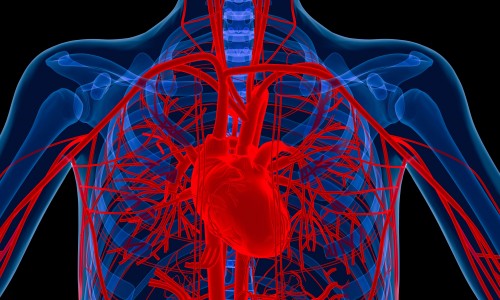 Even as the adoption of nanotechnology continues to broaden and its toxicity studied, the effects of nanoparticles (NPs) on the development of atherosclerosis have remained largely unknown. The breakthrough discovery of a team of Israeli scientists at Technion reveals that exposure to NPs of silicon dioxide (SiO2) can play a major role in developing cardiovascular diseases when the NPs cross tissue and cellular barriers, and enter the circulatory system.
Study findings show the toxicity of SiO2 NPs has a “significant and substantial effect on the accumulation of triglycerides in the macrophages” at all exposure concentrations analyzed, and that it can “increase oxidative stress and toxicity.”
The study involved exposing cultured laboratory mouse cells resembling the arterial wall cells to SiO2 NPs. The researchers evaluated the adverse effects on macrophages, a type of white blood cell that takes up lipids, leading to atherosclerotic lesion development and its consequent cardiovascular events such as heart attack or stroke.
According to the study’s lead author, Michael Aviram, PhD of the Technion Faculty of Medicine, the rapid expansion of nanotechnology is making environmental exposure to nanoparticles unavoidable. “This exposure may be especially chronic for those employed in research laboratories and in high tech industry where workers handle, manufacture, use, and dispose of nanoparticles,” Prof. Aviram added.
Products adopting silica-based nanoparticles for biomedical uses such as chips, drug or gene delivery and tracking, imaging, ultrasound therapy, and diagnostics may also pose an increased cardiovascular risk to consumers, Professor Aviram further stated.
The scientists said steps need to be taken to help address potential health and environmental risks linked with nanotechnology. Nano-based consumer products are forecast to reach a world market of $3 trillion by 2020. The rising number of products results in increased human exposure and interaction of silica-based nanoparticles with biological systems.
KD VIII N7 Glowing