
 Access
 Login/Register
 Supplier Login












RADIOTHERAPY is the primary treatment option for lung cancer that cannot be removed with surgery. However, the treatment is associated with a range of side effects, including fatigue and inflammation of the esophagus and lungs.
Treatment-related toxicities currently rely on assessment by healthcare professionals, but now a team from The University of Manchester and The Christie NHS Foundation Trust – both part of the Manchester Cancer Research Centre – has explored the use of patient-reported outcomes to improve the recording of side effects for lung cancer patients.
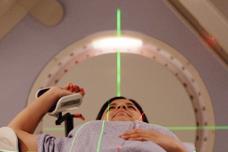 Patient-reported outcome (PRO) tools have been mainly evaluated for use with chemotherapy treatments, and the team wanted to assess their feasibility and relevance in lung cancer patients undergoing radiotherapy. After investigating the patient-centred approach to assessing the side effects of radiotherapy, the researchers have shown that it may be able to improve the detection and management of treatment-related toxicity.
Patients were asked to fill in questionnaires covering both side effects and quality of life at three time points: before treatment, at the end of radiotherapy and at later follow up. The consultants answered questions at identical time points covering the same common radiotherapy-related toxicities for each patient.
The group, led by Dr Corinne Faivre-Finn, looked at the agreement between side effects as reported by doctors and the patients themselves. They also evaluated the relationship between reported toxicities and quality-of-life measures, relating to aspects such as tiredness, anxiety and shortness of breath.
The study found that there was strongest agreement between the patient’s scoring of side effects and measures relating to their quality of life. Toxicities as recorded by the clinicians, however, appeared to underestimate their severity.
“This was the first study in Europe to explore such a patient-centred approach to recording side effects. Incorporating this method into cancer care could allow us to detect and manage serious effects earlier. It could also improve patient-doctor relationships and help doctors better understand the full impact of treatment on patients,” added Dr Faivre-Finn, a researcher in The University of Manchester’s Institute of Cancer Sciences and a consultant based at The Christie NHS Foundation Trust.
Adidas Falcon