
 Access
 Login/Register
 Supplier Login












DEMAND for dairy-alternative beverages is growing as more consumers pursue non-traditional diets for health and wellness reasons. Consumed primarily by vegans, lactose or dairy-intolerant individuals and people with milk allergies, these dairy alternatives are plant-based milk drinks extracted from cereals, nuts, and seeds.
NmiPortal (Own work) via Wikimedia Commons
The thriving global market for plant-based milk substitutes is expected to grow at a CAGR of 15.74% through 2018, reports research from firm TechNavio1. The Americas predominantly controlled the market in 2013, but the Asia Pacific (APAC) region is expected to register the highest CAGR of 20.32% during the period 2013-2018, says the tech-focused global research firm.
“The consumption of natural milk is gradually declining in the US. Conversely, there is high adoption of non-dairy beverages such as almond milk, coconut milk, soy milk, flax milk, rice milk, juices, and bottled water,” commented TechNavio vice president Faisal Ghaus.
For many years, Southeast Asian consumers have no choice but to opt for plant-based milk, especially coconut milk which has never really been seen as a beverage in the region but a traditional ingredient. Cow’s milk was not affordable or mass market as it is in Asia today, but was only available as evaporated and sweetened condensed versions in cans. As the regional economy improved, cow’s milk has become very much part of the diet whether in liquid or powdered form, and certainly as incorporated in mainstream diets, such as in ice cream, baked goods and packaged foods.
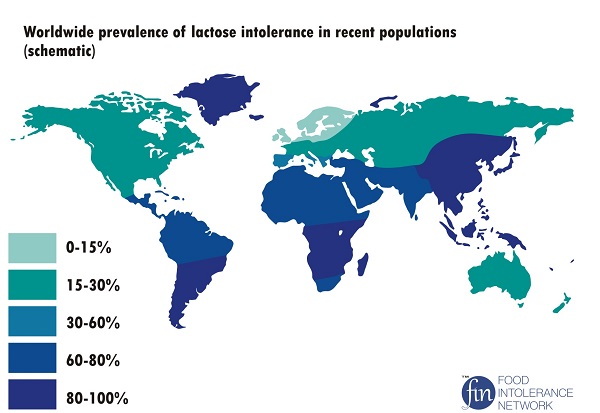
While cow’s milk is more readily available and affordable, however, plant-based milk substitutes may be the only choice for consumers who suffer from lactose intolerance or are allergic to cow’s milk. Asia has some of the highest rates of lactose intolerance, with approximately 50% of the population affected and exceeding 90% in some Asian countries.2 Options are plentiful with regional soy milk producers, Lactasoy of Thailand and Vitasoy of Hong Kong, among the major players.
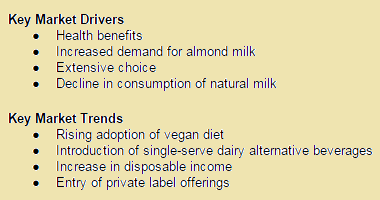 Growth of the dairy alternatives is also being driven by lifestyle choice. Environmentally conscious consumers are choosing plant-based milk owing to the contribution of the dairy cow industry to greenhouse gases. Vegans as well as vegetarians are also contributing to the expansion of soy, coconut, almond, oat and even hemp milk as better-for-you alternatives.
Indeed, plant-based dairy alternatives are being strongly marketed for the health benefits. This is particularly true for almond milk, which is making a dash to first in the dairy alternatives race, outpacing soy milk in the United States, where the market leader is White Wave Foods. In 2013, intent on entering the fast-growing Asian market, the company behind the “Silk” brand of plant-based beverages formed a joint venture with leading Chinese dairy manufacturer Mengniu.
More recently, Starbucks has begun offering coconut milk in the United States. Providing a non-dairy alternative to dairy and soy is the second most requested customer idea of all time from MyStarbucksIdea.com, generating more than 84,000 votes. Starbucks coconut milk is certified vegan and made from single-origin coconuts from the tropical Indonesian island of Sumatra.
In addition to varying lifestyle, a growing middle class, enhanced disposable income, aging population, and intensifying standard of living that are expected to influence the market in the APAC region during the forecast period, TechNavio has noted “belligerent retail marketing”.
Perceived health benefits
While there is a growing number of consumers who consciously opt for plant-based milk alternatives either for medical or lifestyle reasons, the growth of this beverage category is also a marketing phenomenon.
Packaged almond milk contains less protein than either cow milk or soy milk, but also contains no cholesterol. To make the most of health benefits, consumers should opt for sugar-free and calcium-fortified versions.
Coconut milk contain significant amounts of fat, mostly in the form of medium chain saturated fatty acids (MCFAs) which are rapidly metabolized by the liver into energy. In particular, lauric acid is converted to monolaurin, a beneficial compound that has antiviral and antibacterial properties, and research suggests that consumption of coconut milk may help protect the body from infections and viruses. Other studies indicate that MCFAs may help in weight loss and improve the ratio of lean body mass to fat.
Oat milk has a very acceptable sensory flavor and may be a good source of dietary fiber, especially when formulated with brown rice or rice bran. Compared to other alternatives, oat milk contains more sugar and more calories.
Rice milk is generally made from brown rice and commonly unsweetened, although some brands are sweetened.
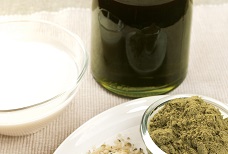 Hemp milk supplies essential omega-3 fatty acids and contains 10 amino acids. It is easily digested, but the grassy flavor is not to everyone’s taste.
The bottom line? Nutritional properties depend on the plant source, processing and fortification. As some products have extremely low protein and calcium contents, consumer awareness is important when plant milk substitutes are used to replace cow's milk in the diet. Alternative milk products can be fortified with calcium and other essential minerals. Depending on the consumer’s needs, e.g. higher caloric intake, price point or convenience, there is likely to be a plant-based milk that is a perfect fit.
1 TechNavio (2014) “Global Dairy Alternative Beverages Market”
2 Lactose Intolerance, last accessed on 21 Feb 2015, http://www.uptodate.com/contents/lactose-intolerance
Air Max 90 NS GPX Mid