
 Access
 Login/Register
 Supplier Login












“LOSING one’s memory or cognitive abilities is one of the biggest fears for people as they get older,” said Martha Clare Morris, Sc.D., assistant provost for community research at Rush University Medical Center and leader of the research team. “Since declining cognitive ability is central to Alzheimer’s disease and dementias, increasing consumption of green leafy vegetables could offer a very simple, affordable and non-invasive way of potentially protecting your brain from Alzheimer’s disease and dementia.”
Dr Morris’ statement is based on a study which involved monitoring the diets and cognitive abilities of more than 950 older adults (about 81 years old) for an average of five years.
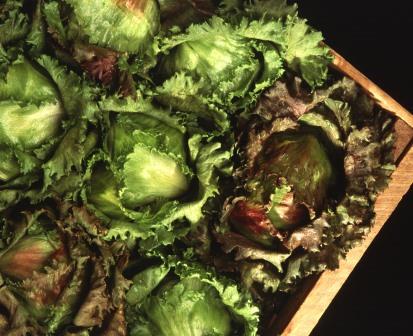
At the beginning of the study, participants were made to report their daily food and beverage intake on a questionnaire. Their total daily nutrients were computed by combining the nutrient content for each food consumed with the number of servings eaten each day.
For two to 10 years, the participants' cognitive abilities were assessed annually with 19 comprehensive tests that were adjusted according to age, sex, education, smoking, genetic risk for Alzheimer’s disease and participation in physical activities when estimating the effects of diet on cognitive decline.
Researchers discovered a notable decrease in the rate of cognitive decline for those who consumed more green leafy vegetables. The cognitive ability of participants who ate one to two servings per day was 11 years younger than those who consumed none.
“With baby boomers approaching old age, there is huge public demand for lifestyle behaviors that can ward off loss of memory and other cognitive abilities with age,” said Dr Morris. “Our study provides evidence that eating green leafy vegetables and other foods rich in vitamin K, lutein and beta-carotene can help to keep the brain healthy to preserve functioning.”
When researchers examined individual nutrients linked with slowing cognitive decline, they found that vitamin K, lutein, folate and beta-carotene were most likely helping to keep the brain healthy. Following this discovery, they plan to go a step further by determining how these nutrients are working on the brain. (Photo courtesy of Scott Bauer/US Dept of Agriculture)
Kobe 10 Mentality