
 Access
 Login/Register
 Supplier Login












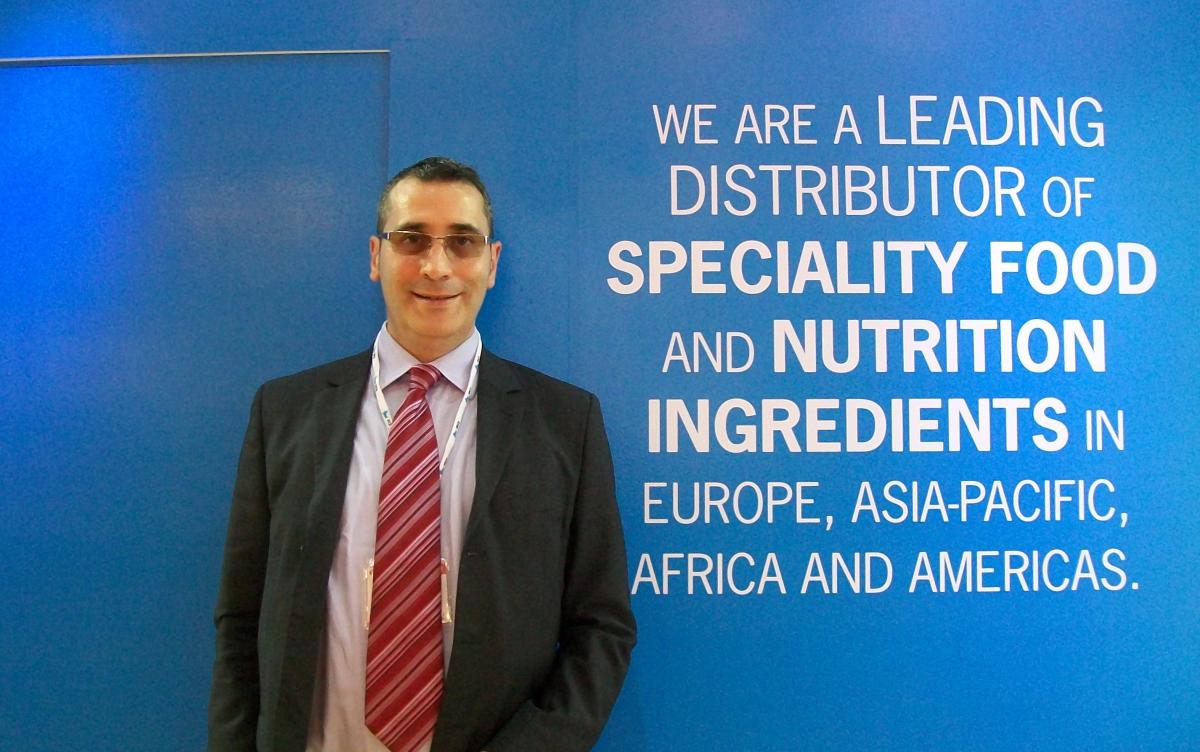
In this one-on-one with FoodPacific Manufacturing Journal, Mr Philippe Russo, Regional Business Development Director, IMCD Asia talks about Asia's ingredient market and on the company's plans in the region.
What trends are you seeing here in Southeast Asia?
We see some trends related to convenience food. People are getting busier and busier in their lives so much so that they may not have a proper meal from early morning till late in the night. For example, in the Philippines, they tend to prefer burger type food and powder drinks for convenience.
The other trend you see is clean labels and the use of more natural ingredients. The third trend is about health and wellness, thus the use of functional food and functional beverage supplements.
In ASEAN regions IMCD has a presence in many countries, some more than in others.
We have been growing our footprint in Asia Pacific and have presence in Australia, China, India, Indonesia, Malaysia, New Zealand, the Philippines, Singapore and Thailand. Just this year, we added Vietnam to the list.
We value equally growth through acquisitions and start-up activities. We are always on the lookout for good business opportunities that complement our existing business. A good portfolio fit, market penetration and quality service in possible acquisition candidates are all equally important. By this, all industries where IMCD is currently active are of interest. IMCD has a good mix of market sectors and geographic regions so is not dependent on any particular economy. Through our activities in Asia we have been confidently building our reputation and presence in this region.
What is your view of the ingredients market for 2016?
Despite the economic slowdown, whether it is in China or in Indonesia, we find the food industry to be quite resilient so it is still growing quite well. Thus, the outlook for the market is very positive. If you are looking at further penetrating the territories, basically as a distributor you should offer value to clients whether they are tier one, two or three. We are looking at penetrating some new markets and my role in business development is to add more strategic product lines to the different territories.
What kind of product lines are you thinking of?
It depends on the portfolio. In every country we have a different product portfolio and we might be working with different principals. As you know the food industry is very fragmented with many different product categories such as hydrocolloids, emulsifiers, acidulants, flavors, colours or preservatives. Thus we need to look into different types of products that we can offer as a synergistic package to our clients to meet the different needs of each country.
How do you view ASEAN integration in relation to your business? How is it going to affect you?
I don’t think it is affecting us a lot. We see the food industry to be very much local. Every country, every province has a local way of cooking, of recipes, of formulating, of using processes, so food is very local and differs by country. Asia is a mosaic of different countries and cultures and even within a country, whether it is the Philippines or Indonesia, you will find differences from island to island or province to province.
But in terms of standards is it going to change?
Then it’s back to the main trends, which we have discussed before— wellness, natural ingredients usage and clean labels.
IMCD and DSM have a partnership in Europe. Are there similar activities here in Asia Pacific?
IMCD is relatively a newcomer in Asia. We first started in Australia and have a very long presence there. Outside of Australia, as we were entering the other territories, some of the key principals already had some trading partners in place, so my role is to look at whether there are gaps and opportunities to capitalise on. We have ongoing discussions with potential partners who are leaders in their industry, and will look to grow such opportunities.
FMC for example is an American-based company with which we have been extending partnerships lately to Australia, China as well as Indonesia. This is one example where we have a multi-territory approach.
What is the nature of this partnership?
FMC BioPolymers is one of the largest players in what we call hydrocolloids, carrageenans, pectin, gums and seaweed derivatives, which go to diverse industries such as bakery, beverages, savory or dairy. By working with them, it enables us to provide a wider portfolio of products and solutions to our clients.
Finally on the topics of overnutrition or undernutrition. How is IMCD part of the solution?
One key trend is fat reduction, especially in burgers or meat. So we see customers asking for salt reduction, sugar reduction in some of the end applications. Specific to Asia, a very relevant item is the need for lactose-intolerant solutions. Gluten-free solutions are another area coming up though not as quickly in Asia.
This is where our technical team comes in to help our customer formulate solutions to address their needs in response to these new trends in the market.
Air Jordan V Low Supreme