
 Access
 Login/Register
 Supplier Login












RESEARCHERS at the Department of Nutritional Sciences at The Pennsylvania State University compared the effect of a high-fat meal with peanuts versus a meal without, on vascular function.
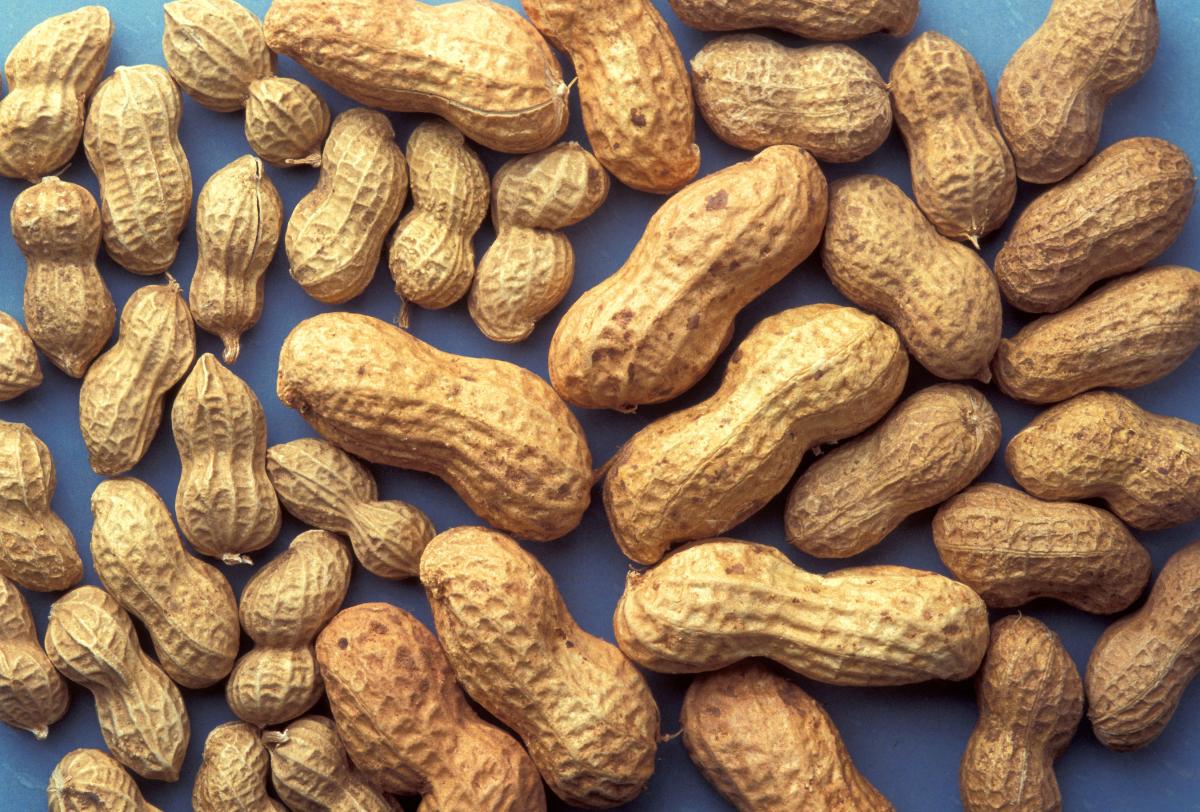
In the study, 15 overweight male volunteers consumed either a peanut meal with 3 oz. of ground peanuts (as a shake) or a control meal (a shake without peanuts) that were matched for energy and macronutrients. To evaluate their vascular function, they were subject to flow-mediated dilatation (FMD) which required a cuff placed on the forearm to restrain blood flow. When released it assessed dilation of the brachial artery. In the men who ate the control meal, FMD decreased by 1.2% compared to baseline, while those who consumed the peanut meal maintained normal FMD.
Normally after a high-fat meal, vascular function is reduced temporarily until the fat that is in the blood (from the meal) is cleared. Consuming high-fat meals can impair vascular function and cause the development of atherosclerosis and the formation of coronary plaques and lesions. But adding peanuts to a high-fat meal could improve the post-meal triglyceride response and preserve endothelial function.
Girls Air Jordan 1