
 Access
 Login/Register
 Supplier Login












THE totality of a product, from its ingredients to packaging, can spark different emotions in consumers. Products that generate the ideal emotional response have a much better chance at market success.
Product developers need to think about how foods make people feel when they’re creating new products, according to psychologist Herb Meiselman, an expert in the fields of sensory and consumer research.
Mr Meiselman, a speaker at a July 19 symposium at IFT16: Where Science Feeds Innovation, hosted by the Institute of Food Technologists (IFT), said “We have depended for too long on measuring consumers’ liking and willingness to pay, but we need more in-depth measures to understand the consumer experience.”
Customers often have an emotional response to the product itself, the packaging, the brand and even specific ingredients in the food, according to David Thomson, chairman of MMR Research Worldwide. “To have any chance of success in today’s highly competitive consumer packaged goods markets, it’s essential that all these key aspects of a branded product create a holistic emotional experience. Otherwise it will simply fizzle out in the market through lack of emotional engagement, as most do.”
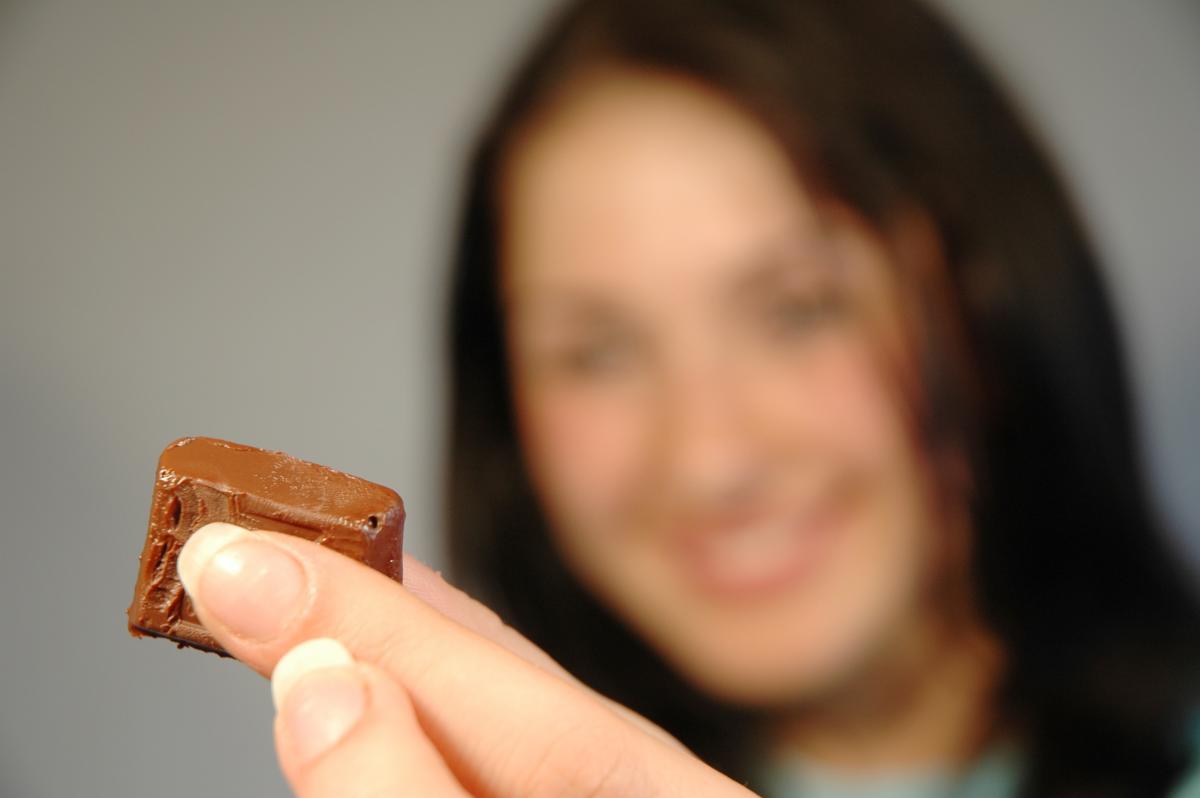
(Photo: Dreamstime.com)
Consumers’ emotional experiences run the gamut from more obvious ones like “happy” to less obvious ones like “excited” or “guilty,” Mr Meiselman said. Many big companies are evaluating potential products by looking at 30 or more different emotions, which have to be selected from the hundreds of emotions. He says there are a number of different approaches that companies can use to analyze reactions to their products, including:
• Questionnaires that evaluate emotions. This is one of the simplest approaches.
• Facial expressions that are measured with special technology.
• Physiological measurements, such as heart rate.
• Behavioral measurements, especially nonverbal behaviors that reflect the person’s feelings.
• Analysis of social media messages, which is called sentiment analysis.
“For example, we can give a person a product sample, and then immediately ask how they feel, or measure how their face reacts, or how their body reacts, such as measuring their heart rate,” Mr Meiselman says. Another promising approach is to analyze consumers’ reactions on social media that sometimes include opinions of products and brands, he says. “We can evaluate the tone of the messages using special emotion lists and software.”
Companies that have the resources may decide to use multiple measurements to test emotional reactions to their products, Mr Meiselman said. “This is an enormous field. Some of the big companies are doing this right now. Others are waiting on the sidelines to see what happens.”
According to Mr Thomson, while companies and research agencies are interested in capturing and measuring emotion, they should apply methods that are grounded in good science. “Otherwise there’s a danger of simply adding to the background noise rather than delivering new and useful product understanding.
Nike Magista Obra Low