
 Access
 Login/Register
 Supplier Login












The Kingdom of Saudi Arabia serves as location to a new plant of Saudi International Petrochemical (Sipchem) which has started initial operations at its site in Jubail Industrial City. The plant, constructed at a cost of SAR 600 million ($160 million) has started production of polybutylene terephthalate (PBT) after the company completed tests on plant equipment.
The company’s affiliate, Sipchem Chemical Co., manages the PBT plant which is designed to produce 63,000 tonnes of thermal highly specialised polymer used for the production of materials for automotive, IT, electrical and electronic segments, and other engineering plastics.
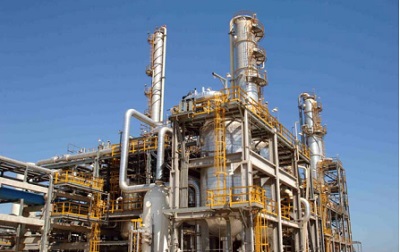
Eng. Ahmad A. Al-Ohali, the chairman of Sipchem Chemical Company, the project owner, stated that the startup of the PBT plant, which is considered the first of its kind in the Middle East, concurrently with commissioning of EVA and LDPE plant, is an important step forward in Sipchem scheduled expansion and growth programme.
PBT is widely used as insulator in electrical and electronic products. As a thermoplastic polymer with semi-crystalline appearance, PBT is resistant to solvents, and is mechanically strong to withstand heat up to 150°C, or up to 200°C with glass-fibre reinforcement. By adding flame retardants, PBT can be made non-combustible. Compared to polyethylene terephthalate (PET), PBT has slightly lower strength and rigidity, slightly better impact resistance, and a slightly lower glass transition temperature. However, PBT is sensitive to hot water above 60 °C (140 °F) and needs UV protection if used outdoors as most grades are flammable. A wide range of additives is now available to improve both UV and flammability properties of PBT.
Responding to rising industries’ need
Demand for PBT has been on the rise. About 43% of the total PBT resin demand was from the electrical and electronics applications (including automotive electronic components) in 2013, with the automotive and consumer appliances being the fastest growing end-use applications. The market value of PET and PBT resins was estimated to be $31.471 billion in 2013 and is projected to grow at an average of 7.3% from 2014 to 2019, according to Research and Markets.
Butanediol is the main feedstock that is used to produce PBT. Sipchem's affiliate, International Diol, produces the organic compound. The company has also commissioned International Polymers' (IPC) ethylene vinyl acetate (EVA) and low-density polyethylene (LDPE) plants.
The PBT plant’s operation is a major step forward in the company’s expansion programme which is designed to develop specialty products, according to Sipchem Chemical chairman, Ahmad Al-Ohali. The implementation of integrated downstream projects using Sipchem’s existing products is expected to further strengthen the company’s market position and ensure steady supply of key materials in the market. The company's products will also enable Sipchem to invest in emerging industries in Saudi Arabia. Sipchem has 95% stake in Sipchem Chemical, while Sipchem Marketing owns the remaining interest.
Progressive, technologically-advanced, and with environmental responsibility at its core, Sipchem is the first chemical manufacturing company in the Kingdom of Saudi Arabia to achieve a "Responsible Care" certification. Sipchem was also recognised for creating the "Best Work Environment" in the Kingdom in 2010. Starting from humble roots in 1999, Sipchem is now a globally recognised chemical manufacturer and plc (2006), generating revenue of over SR 4 billion in 2013 and employing more than 1000 people from all around the world.
Aside from currently manufacturing and marketing 2.4 million tonnes of petrochemicals, the company has also launched several downstream projects producing ethylene vinyl acetate, low density polyethylene, ethyl acetate, butyl acetate and cross linkable polyethylene. Its portfolio includes a sustainable radical semi-conductive compound, reflecting Sipchem's ongoing commitment to producing environmentally friendly plastics, non-corrosive metals and fuel-efficient engines.