
 Access
 Login/Register
 Supplier Login












THE LIST of superfoods is getting longer. Many fruits, vegetables and nuts are now considered superfoods. Goji berries, almonds, and greens like kale, and seeds like the quinoa and chia are among the newest “members.” On the list as well are salmon, soy, and dark chocolate. Don’t be surprised if you see more seeds and fruits in your box of cereal and cornflakes.
But what makes them earn the title “super”? Basically they’re simply just good for the health, with some having high anti-oxidant levels that benefit the human body by fighting free radicals. But if you ask dietitians, they’ll say these foods are no different from other fruits or vegetables that also provide a good amount of nutrients. If anything, they would say the term superfood is a marketing gimmick. But consumers seem to go along with it because these days, the desire to be healthy is also more intense among all age groups.
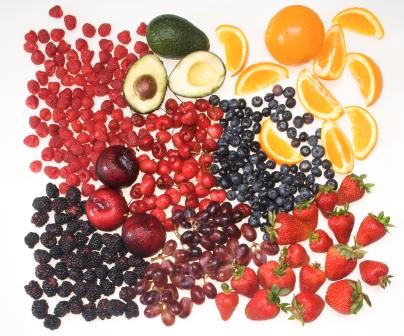
The oxygen radical absorbance capacity (ORAC) scores of fruits vary. In this mix of fruit, the ORAC score of blueberries is highest, followed by (in order) the scores of black plum, blackberries, raspberries, strawberries, sweet cherries, avocado, navel orange, and red grapes. (Photo courtesy: Stephen Ausmu I USDA)
To Penny Kris-Etherton, Ph.D., RD, a professor of Nutrition at the Pennsylvania State University, many superfoods are good for overall health if taken with a diet of lean protein, legumes, fruits and vegetables, low-fat milk and dairy. In short, we can’t eliminate foods that don’t belong to the superfood label from our diets.
In an article in the American Heart Association, she says, “A lot of people have unrealistic expectations about these foods, thinking they’ll be protected from chronic diseases and health problems,” she said. “They may eat one or two of these nutrient-dense foods on top of a poor diet.”
To the delight of many, dark chocolate is a superfood, and it’s not hard to convince anyone to have a bite or two. Despite the healthful flavonoids they contain, not much can be had because chocolate is high in sugar and fat as well. “Don’t eat so much dark chocolate that you overshoot your daily calorie goal and gain weight,” said Ms Kris-Etherton.
Going fresh
Hype or no hype, the “superfoods” trend has helped raise awareness on healthy eating. For instance, demand for fresh fruit and vegetables is climbing as consumers try to improve their diets.
In the March issue of Food Technology published by the Institute of Food Technologists (IFT) by contributing editor Linda Milo, notes a list of healthy seed and fruits.
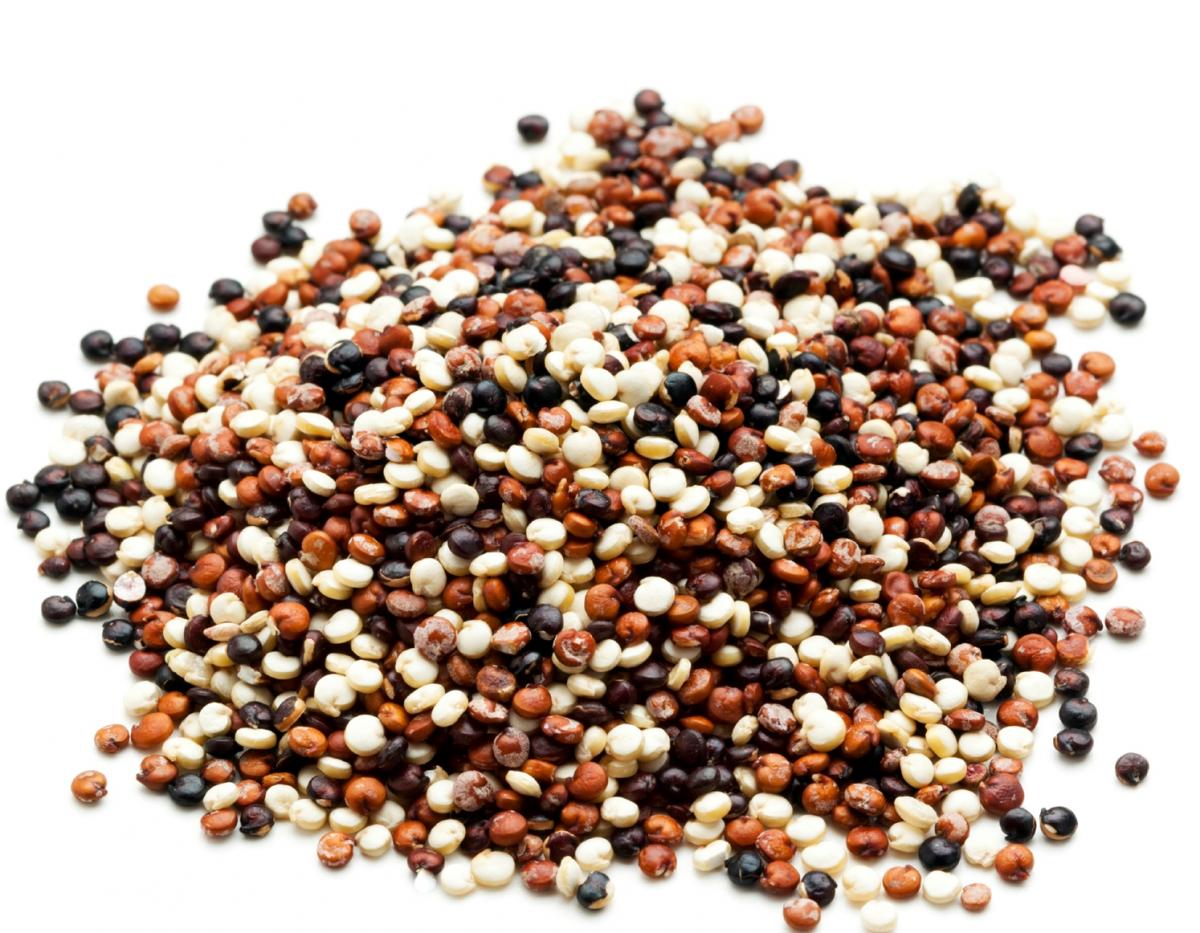
Quinoa is a source of iron protein, and fiber
Chia seeds found in yoghurt, homemade trail mixes, baked goods, commercial nutrition bars, beverages and snacks, are high in omega-3 fatty acids, calcium, phytonutrients, vitamins, minerals and antioxidants.
Flaxseeds are a source of protein, fiber, antioxidants, and phytoestrogens in the form of lignans and omega-3 fatty acids. A study has also linked eating ground whole flaxseed to lowering blood cholesterol (Health Canada, 2014).
Sunflower seeds are considered a traditional ballpark snack, sunflower seeds provide monounsaturated and polyunsaturated fats, protein, fiber, vitamin E, and phytochemicals like choline, lignan, phenolic acids and betaine (Phillips, 2005).
Pumpkin seeds are packed with protein, fiber, manganese, magnesium, and phosphorus.
Blueberries: Daily blueberry consumption may reduce blood pressure and arterial stiffness (Johnson, 2015) and are packed with fiber, vitamins, minerals, fructose, and antioxidants. Antioxidants in blueberries are linked to the prevention/delaying of diseases such as cancer, heart disease, and the aging process.
Acai berries: Acai berries are a rich source of anthocyanin and have a fatty acid ratio similar to olive oil. They have been shown to have anti-inflammatory properties.
Tart cherries are high in anthocyanin and have high antioxidant activity. Reported benefits include enhanced sleep, anti-inflammation in arthritis and gout, and sports recovery.
Avocados, more than just the main ingredient in guacamole, have beneficial effects on cardio-metabolic risk factors that extend beyond their heart-healthy fatty acid profile (Wang, 2015). In a study of 45 overweight or obese subjects who ate a moderate-fat diet including an avocado daily had lower bad cholesterol than those on a similar diet without the avocado or those on a lower-fat diet (American Heart Association, 2015).
Cranberries are associated with benefiting urinary tract health but have also shown to benefit heart health, cancer prevention, oral health, and glycemic response (Cranberry Institute, 2014).
----
References:
Institute of Food Technologists (IFT). “Nine superfruits and super seeds to add to your diet.” ScienceDaily. ScienceDaily, 12 March 2015. <www.sciencedaily.com/releases/2015/03/150312173532.htm>
American Heart Association. www.heart.org/HEARTORG/GettingHealthy/NutritionCenter/HealthyEating/Whats-so-super-about-superfoods_UCM_457937_Article.jsp
Air Jordan 12 Low