
 Access
 Login/Register
 Supplier Login












COCOPLUS Aquarian Development Corporation (CPADC) manufactures and exports pure virgin coconut oil (VCO) products, extending the promise of wellness for every bottle of the healthy oil that it produces from its facility in the Philippines. Company president Josefina Savares shares with Food Pacific Manufacturing Journal how her curiosity about the health benefits of VCO turned into a flourishing business, what challenges this market is facing, and how companies in the industry can ensure continued growth in the future.
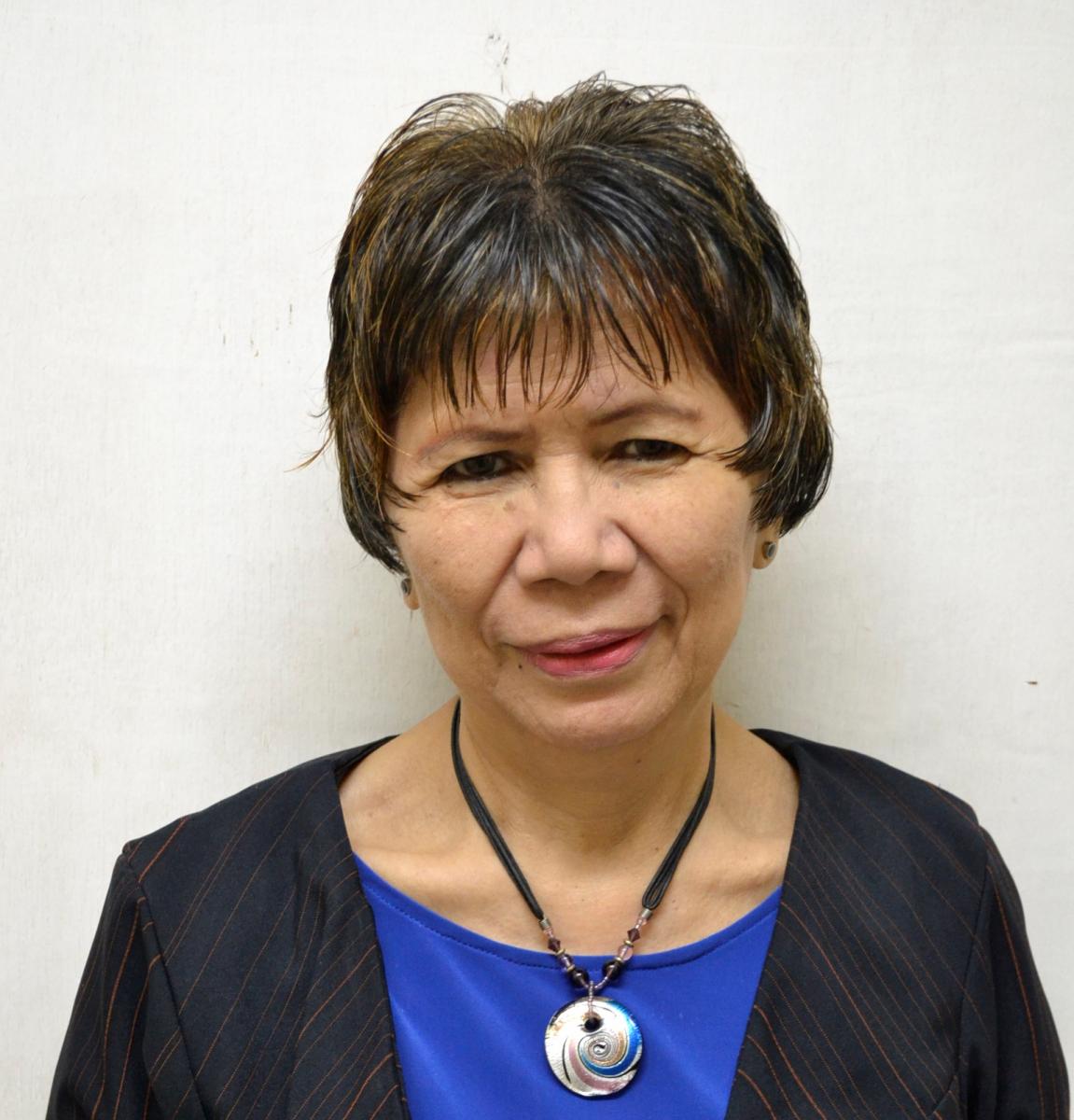
Josefina Savares, president of CocoPlus Aquarian Development Corporation
What made you decide to enter the VCO market?
The idea for the business started taking root when I met the wife of the accountant I was going to interview for my then garment business. I noticed her unblemished skin and asked her what soap she was using. She answered that she uses soap with VCO.
I had skin rashes at that time so I thought of trying VCO soap myself. I noticed a change in my skin after just a short period of using the soap. That got me interested in learning more about VCO and its benefits. It also helped that my older sister and partner in the garment business has been taking the oil as part of her daily supplement for many years and has remained healthy despite her old age.
CocoPlus was conceptualized in June 2004 and was initially registered as CocoPlus Aquarian Ventures at the Department of Trade and Industry. It was eventually incorporated and registered with the Securities and Exchange Commission on January 18, 2005.
What products has the company developed since then?
We started with bottled VCO. We have been offering 250ml bottled VCO in PET packaging for many years now. We also have VCO soaps, which now come in seven variants, and VCO massage oils, which are available in raspberry and ginger-eucalyptus variants.
Our best-seller continues to be our core product, bottled VCO. We can produce an average of 5,000 liters of dietary VCO a month or about 50 tons to 60 tons a year.
Would you say that the interest in VCO as a health supplement is growing?
The growing awareness around the world about the importance of good health and wellness is a strong market force. Many people, not just locally but internationally as well, are shifting to a healthier lifestyle, and this is spurring demand for products such as VCO.
As a food supplement, VCO is the best dietary oil on the planet. It has anti-microbial and anti-inflammatory properties and boosts the immune system. It increases the HDL level and helps regulate cholesterol. It also regulates metabolism.
VCO is recommended for preventing hemorrhage and ulcers and is best for constipation and diarrhea. It also improves insulin secretion among diabetic patients.
When used as a topical solution, VCO is good for rashes, in particular among babies. It performs better than zinc oxide. It is also a good natural alternative for treating wounds, cuts, abrasions, and burns.
VCO makes the hair healthy and dandruff-free. When applied topically, VCO nourishes the hair cells and skin cells through its medium chain triglyceride (MCT) components. MCTs are readily digestible by the hair cells and skin cells.
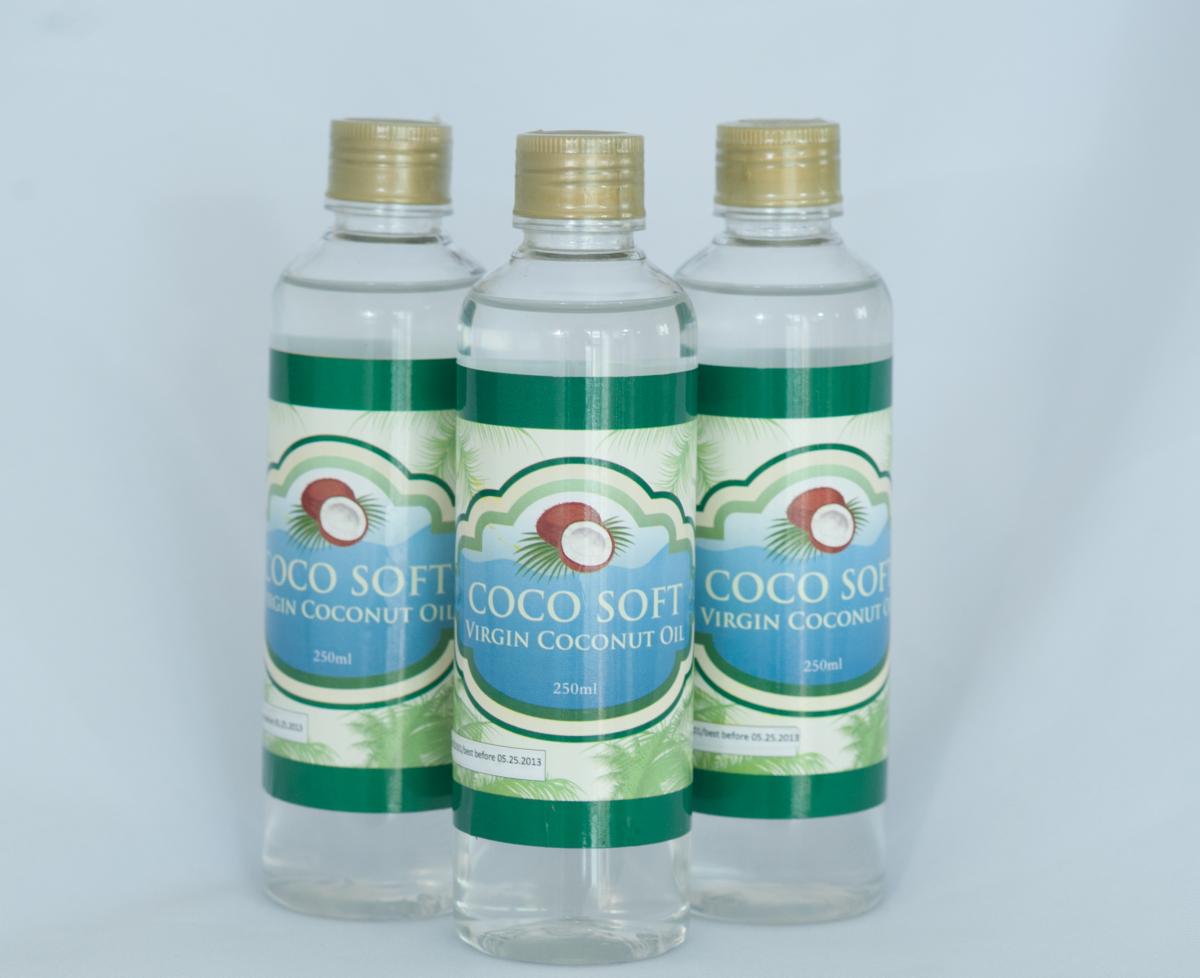
Bottled VCO remains CocoPlus best-selling product
How do you as a company stay innovative and competitive?
There is no better way to remain on top except through a strong emphasis on quality. We are looking at integrating our production processes to increase efficiency and productivity.
Besides continually ensuring that good-quality coconuts are used as raw material, we also want to invest in new machinery. The best centrifuge machine specially intended for VCO extraction has yet to be designed.
There is also a plan to process the coconut meat residue as coco flour and the coconut skimmed milk or milk without the oil as an alternative natural non-dairy milk product.
We are also exploring more innovative ways to package our products.
How do you ensure the quality of your products?
We source good-quality raw materials from Quezon province, southeast of the Philippine capital city of Manila. We ensure our coconut suppliers comply with standards for coconut raw materials. In addition to strict inspection during IQC, we implement stringent storage standards.
We implement internal GMP during production. Critical control points are strictly observed at every applicable stage of the process, with monitoring of cleaning checklists strongly adhered to. A production monitoring report is done for every batch per day. We also conduct regular monitoring of the percentage moisture and free fatty acids (FFA). This is because the higher the moisture content and FFA of the oil, the higher the chance of the product becoming rancid. I believe the measure of a high-quality VCO lies in achieving the lowest moisture and FFA content so as to maintain its fresh taste and smell.
To ensure products are fresh, we discourage stock inventories. As far as exports go, transit time does not affect the freshness of the oil considering its long shelf life. If remained unopened, VCO stays fresh for two years, with no significant change in taste and smell.
CocoPlus expands its VCO product line with soaps and massage oils
What quality standards do you adhere to?
We are now implementing in-house GMP. We are currently working on obtaining HACCP compliance.
The company is also coordinating with Control Union, a private agency dealing with organic certification. In six months’ time we hope to get JAS and USDA certification.
Which is your biggest export market for VCO?
Our current major export market is Japan. We hope to start penetrating the European market in 2016.
In line with this objective we are working with the Center for Promotion of Imports (CBI) from Developing Countries, which is based in the Netherlands and commissioned by the Ministry of Foreign Affairs of the Netherlands.
CocoPlus is blessed to have been chosen as one of the food manufacturers from the Philippines to be part of CBI’s three-year program to help companies enter the European market. Specifically, CBI provides specialized assistance to exporters in their efforts to comply with EU market requirements and standards. CocoPlus is currently undergoing a three-year Export Coaching Program under CBI supervision. We are on our second year now. We hope through this effort we would be able to enter the EU soon.
What are the challenges faced by companies in the VCO market?
Sustainability, particularly in terms of the quality of the coconuts, is a key concern. The recent “cocolisap” infestation was a major problem that affected everyone in the industry. Raw materials became scarce and prices went up significantly. The latter was particularly problematic given that almost 80% of the total production cost for VCO comes from the raw materials.
CocoPlus was forced to source raw materials from suppliers farther into Quezon province at higher prices. This affected our end prices, and subsequently our competitiveness in the international market.
For CocoPlus, in particular, continuous production remains a challenge. At the moment, production is on and off. Besides lack of regular order from clients to run a regular operation, we need to upgrade, if not replace, machines that break down and disrupt operations. This concern becomes even bigger for us when we consider our community here. You see, part of our commitment is to provide regular employment to the locals and help alleviate the life of the coconut farmers, the main source of the raw materials we use in producing the oil.
How do you overcome these setbacks?
We work closely with our farmer suppliers who have direct access to the raw materials. We continue to establish long-term partnerships with our farmer suppliers.
As for production upgrades, we are looking to invest in new machinery.
How can the government and the private sector help boost the industry?
In addition to providing support to farmers to boost production and gains, the government can bolster the VCO industry in the country by funding research and studies on production techniques and even health and medical applications of the product, the latter to help raise awareness about its benefits.
The government can also help VCO manufacturers, particularly the small players, by alleviating tax burdens and providing financial assistance for expansion.
For the private sector, it can help strengthen the coconut industry in terms of advocacy and information campaign. The private sector can assist in educating consumers and food manufacturers about the market and the benefits of using VCO.
The Philippines is blessed to have the best variety of coconut in the entire world so we should take advantage of this and grow our VCO market.
Boardroom Connection: Josefina Savares
Position: President
Company: CocoPlus Aquarian Development Corporation (CPADC)
A: 1722 F.B. Harrison St., Pasay City, Philippines 1300
T: +63 2 524 4548 / 536-3474
F: +63 2 400 4805
W: www.bestvirgincoconutoil.com.ph
NEW BALANCE